

Holistic Yoga: How to Integrate Mindfulness into Every Pose for Complete Balance
Discover how holistic yoga helps integrate mindfulness into every pose to balance body, mind, and spirit. Learn practical tips for mindful yoga practice.

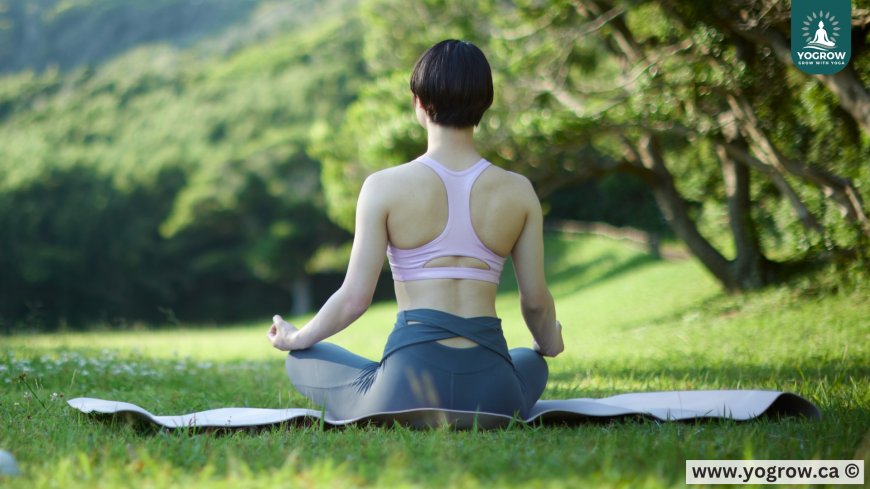
In today’s fast-paced world, finding inner peace often feels out of reach. Holistic yoga bridges that gap by integrating mindfulness into every pose, aligning the body, mind, and breath. More than just physical movement, this approach transforms yoga into a complete meditative experience. As stress and distractions dominate modern life, learning to stay present through holistic yoga has never been more vital for mental clarity, balance, and emotional resilience.
Significance of Holistic Yoga
Holistic yoga isn’t just a fitness routine—it’s a lifestyle that nurtures awareness, grounding, and conscious living. By merging mindfulness with movement, each posture becomes a pathway to self-discovery and healing. Below, we explore the deeper significance of integrating mindfulness into every pose and how it transforms your practice.
1. Deepens the Connection Between Body and Mind
When mindfulness infuses yoga, every breath and movement becomes intentional. Practitioners start tuning into subtle sensations—how the muscles stretch, the rhythm of inhalation, and the quiet between thoughts. This heightened awareness cultivates harmony between physical and mental states, leading to a more balanced practice.
According to Vinyasa Yoga Ashram’s insights on yoga and mindfulness, conscious awareness during practice not only enhances focus but also fosters lasting calmness beyond the mat.
2. Encourages Emotional Release and Healing
Holistic yoga allows suppressed emotions to surface gently through mindful movement. When you practice awareness in poses like child’s pose or pigeon, emotional blockages begin to dissolve.
For a deeper exploration of how mindful movement aids emotional and physical recovery, read Healing Yoga for Injuries: Restore Your Body and Mind. This guide explains how mindfulness-based yoga can restore balance and accelerate healing.
3. Cultivates Mental Clarity and Inner Peace
By focusing on the breath and present moment, practitioners quiet the mental noise that fuels anxiety and stress. Each pose becomes a meditation in motion, calming the nervous system and sharpening focus.
This aligns with findings shared by Yoga Journal’s peace of mind sequences, which show that mindfulness-based yoga significantly improves concentration and emotional stability.


4. Enhances Spiritual Awareness
Holistic yoga is rooted in ancient philosophy—each pose symbolizes harmony between the physical and the spiritual self. Through consistent mindful practice, individuals often experience moments of clarity and spiritual awakening.
Explore this deeper transformation in Yoga and Spiritual Awakening: The Hidden Power of Ancient Postures, which delves into how traditional yoga can open pathways to spiritual growth.
5. Promotes Sustainable Well-Being
Unlike fast or purely physical yoga practices, holistic yoga emphasizes sustainability—listening to your body and honoring its limits. This mindful approach reduces injury risk and supports lifelong practice, making it ideal for practitioners of all ages and abilities.
Practical Steps to Integrate Mindfulness into Your Yoga Practice
Bringing mindfulness into your yoga doesn’t require drastic changes—just conscious intention. Follow these simple steps to make each session more holistic and transformative.
Step 1: Start with Conscious Breathing
Before stepping onto your mat, take a few moments to center yourself through slow, deep breaths. This signals your mind to shift from external chaos to internal calm.
Step 2: Set a Clear Intention
Decide what you want from your session—peace, focus, or healing. Intentions create a mental framework that guides your awareness throughout your practice.
Step 3: Move Slowly and Listen
Avoid rushing between poses. Feel every transition, observe sensations, and allow pauses. Slower movement increases body awareness and mindfulness.
Step 4: Incorporate Mini-Meditations
Between sequences, close your eyes and take a few mindful breaths. These micro-meditations keep you grounded and help maintain focus on the present.


Step 5: Reflect After Practice
End your session with a moment of gratitude. Reflect on how your body feels and what emotions surfaced. Journaling these reflections can enhance mindfulness off the mat as well.
Holistic yoga reminds us that yoga isn’t just about flexibility—it’s about awareness, healing, and growth. By integrating mindfulness into every pose, we connect deeper with ourselves, finding harmony in both stillness and movement.
To continue your journey toward mindful healing, explore Healing Yoga for Injuries: Restore Your Body and Mind and other transformative guides on Yogrow.ca.
Ready to experience the power of holistic yoga firsthand? Join our upcoming classes, subscribe for wellness tips, or share your mindfulness story in the comments below.
What's Your Reaction?
 Like
0
Like
0
 Dislike
0
Dislike
0
 Love
0
Love
0
 Funny
0
Funny
0
 Angry
0
Angry
0
 Sad
0
Sad
0
 Wow
0
Wow
0