
How Anti-Anxiety Yoga Helps You Relax—Backed by Science & Practice
Discover how anti-anxiety yoga calms the mind, relaxes the body, and reduces stress. Learn benefits, poses, and guided steps to ease anxiety naturally.

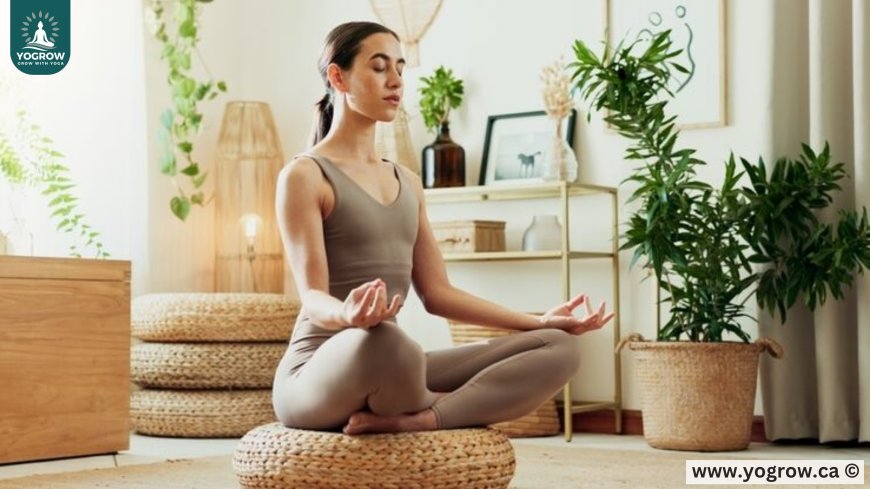
In today’s fast-paced world, anxiety has become more than an occasional feeling—it’s a daily struggle for millions. Anti-anxiety yoga has emerged as a powerful, natural tool to calm the mind, relax the body, and ease the overwhelming stress of modern life. With rising awareness around mental well-being and holistic healing, people are turning to yoga not just for flexibility but for emotional balance, inner peace, and long-term resilience.
If you’re feeling mentally drained, constantly overthinking, or struggling to find moments of ease, this comprehensive guide will help you understand how anti-anxiety yoga works—and how it can become your sanctuary in stressful times.
Benefits of Anti-Anxiety Yoga
1. Reduces Stress Hormones and Balances the Nervous System
One of the most significant benefits of anti-anxiety yoga is its direct impact on the nervous system. Many yoga practices activate the parasympathetic nervous system, also known as the “rest and digest” mode, which naturally reduces stress hormones such as cortisol.
According to Healthline, yoga has been shown to reduce symptoms of anxiety by shifting the body from a state of fight-or-flight to one of calm and clarity. You can learn more about this mind-body connection through this external research-backed source: Science-backed benefits of yoga for anxiety : https://www.healthline.com/health/anxiety/yoga-for-anxiety.
This recalibration of the nervous system helps reduce racing thoughts, emotional overwhelm, and bodily tension—creating a sense of grounded stability.

2. Encourages Mindful Breathing and Inner Awareness
Mindful breathing sits at the heart of anxiety relief. Anti-anxiety yoga integrates slow, intentional breathwork that helps release emotional pressure and improves mental clarity.
If you want to dive deeper into the power of breath, explore this internal Yogrow article: Why Your Breath Matters More Than You Think in Yoga Practice :
https://yogrow.ca/blog/why-your-breath-matters-more-than-you-think-in-yoga-practice.
When breathing becomes rhythmic and controlled, the brain receives signals of safety, helping reduce panic responses, improve focus, and create emotional steadiness.
3. Releases Physical Tension Stored in Muscles
Anxiety isn’t only in your mind—it lives in your body too. Tight shoulders, a clenched jaw, a stiff back, or shallow breathing often indicate mental stress stored physically. Gentle stretches, restorative poses, and slow movements help release this built-up tension. By loosening tight hips, lengthening the spine, and softening the chest, yoga creates physical ease that translates into emotional relief. This is why many practitioners report that after an anti-anxiety session, they feel “lighter,” “more open,” and “less weighed down.”
4. Improves Sleep Quality and Promotes Deep Rest
Sleep deprivation significantly worsens anxiety. When the mind refuses to slow down at night, the body becomes stuck in a cycle of exhaustion and stress.
Yoga helps regulate sleep by calming the nervous system, reducing intrusive thoughts, and preparing the body for deeper rest. There’s a powerful internal resource on Yogrow that expands on this connection: Struggling to sleep? Here’s how yoga can help you fall asleep faster :
https://yogrow.ca/blog/struggling-to-sleep-heres-how-yoga-can-help-you-fall-asleep-faster-yogrow. By integrating breathwork, slow flow movements, and grounding poses before bedtime, your mind becomes quieter, and your body becomes more receptive to restorative sleep.
5. Builds Emotional Resilience and Long-Term Stress Management
Yoga isn’t a temporary fix—it’s a long-term tool for emotional resilience. Over time, you begin to build:

-
deeper self-awareness
-
improved emotional regulation
-
a stronger mind-body connection
-
the ability to stay calm during overwhelming situations
An excellent reference supporting the use of yoga as a healing tool comes from this high-authority article on anxiety and emotional well-being:
20 Yoga Asanas for Anxiety and Depression Relief : https://www.emoneeds.com/blog/20-yoga-asanas-that-can-give-relief-from-the-problem-of-anxiety-and-depression/.
These benefits don’t stop once you end your yoga practice—they build into your everyday life.
Practical Steps: A Step-by-Step Guide to Practicing Anti-Anxiety Yoga
The most effective anti-anxiety yoga routine focuses on breath-centered movement, grounding postures, and gentle transitions. Here’s a step-by-step guide you can begin today.
Step 1: Begin With Grounded Breathing (3–5 minutes)
Start by sitting comfortably or lying on your back.
-
Close your eyes.
-
Inhale deeply through your nose for 4 seconds.
-
Exhale slowly for 6 seconds.
-
Place one hand on your chest and the other on your belly.
This helps you arrive in the present moment and signals your nervous system to unwind.
Step 2: Try These Anxiety-Relieving Poses
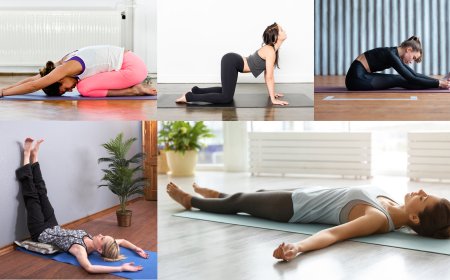
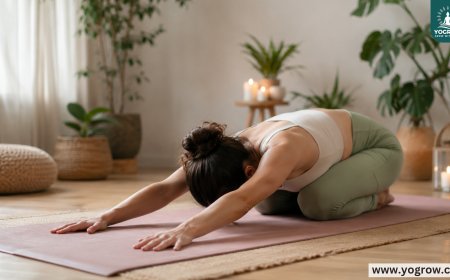
1. Child’s Pose (Balasana)
This gentle pose encourages surrender and releases tension in the lower back, hips, and mind.
How to do it:
-
Kneel and sit back toward your heels
-
Extend your arms forward
-
Rest your forehead on the mat
Stay here for 5–10 breaths.
2. Cat-Cow Stretch (Marjaryasana–Bitilasana)
Perfect for easing anxiety-related back tension and promoting deeper breath flow.
How to do it:
-
Start in tabletop position
-
Inhale and arch the back (Cow)
-
Exhale and round the spine (Cat)
Repeat for 10–15 slow rounds.
3. Forward Fold (Uttanasana)
Releases tight hamstrings and allows the nervous system to decompress.
How to do it:
-
Stand with feet hip-width apart
-
Hinge forward from the hips
-
Let your arms hang or hold elbows
This posture encourages introspection and calm.
4. Legs Up the Wall (Viparita Karani)
One of the best poses for anxiety relief—reverses blood flow, slows the heart rate, and promotes deep relaxation.
How to do it:
-
Sit with your side against a wall
-
Swing your legs up
-
Lie back and relax your arms
Stay for 5–10 minutes.
5. Reclined Bound Angle Pose (Supta Baddha Konasana)
Opens the chest and hips while supporting emotional release.
How to do it:
-
Lie on your back
-
Bring the soles of your feet together
-
Let your knees fall open
-
Place one hand on your abdomen
Stay for 3 minutes or more.
Step 3: End With Mindful Breathing or Meditation
Close your practice with:
-
3 minutes of deep breathing
-
A short gratitude meditation
-
A simple affirmation like:
“I am safe. I am calm. I choose peace.”
This brings closure to your session and helps integrate your relaxation into daily life.
Anti-anxiety yoga offers a simple yet profoundly effective way to calm your mind, center your emotions, and release physical tension. As you cultivate mindful breathing, grounding postures, and gentle movement, you begin to build long-term resilience against stress and anxiety.
To explore more about how breathing affects your emotional and physical well-being, don’t miss this internal Yogrow guide:
Why Your Breath Matters More Than You Think in Yoga Practice : https://yogrow.ca/blog/why-your-breath-matters-more-than-you-think-in-yoga-practice.
If you’re ready to deepen your practice, explore more yoga blogs, or learn how daily movements can improve your mental health, Yogrow is here to guide you.
Start your journey today—read more, practice more, and take one peaceful breath at a time.
Leave a comment, share your experience, or reach out for personalized yoga insights!
What's Your Reaction?
 Like
0
Like
0
 Dislike
0
Dislike
0
 Love
0
Love
0
 Funny
0
Funny
0
 Angry
0
Angry
0
 Sad
0
Sad
0
 Wow
0
Wow
0