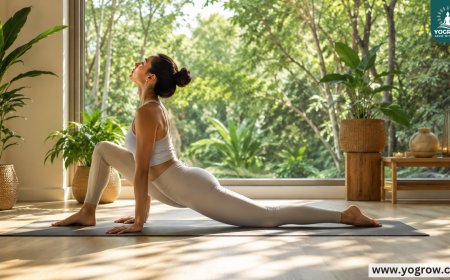

Is Prenatal Yoga Safe? Expert Tips & What to Avoid During Pregnancy
Is prenatal yoga safe? Learn the benefits, risks, and expert-backed safety tips to prevent complications during pregnancy. Start your wellness journey today!

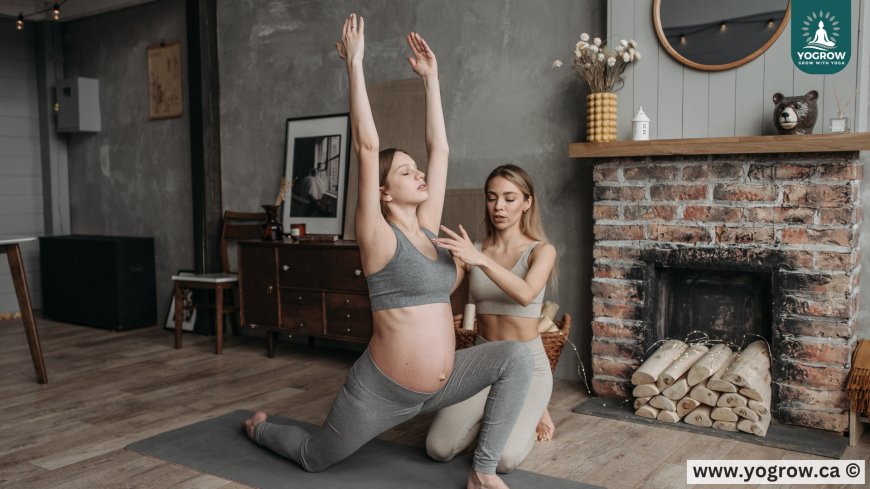
Prenatal yoga is often recommended as a gentle way to stay fit, ease pregnancy discomfort, and prepare the body for childbirth. But is prenatal yoga truly safe for every expecting mother? And what should be avoided to prevent complications? These are crucial questions that every pregnant woman should consider. With prenatal yoga becoming more popular than ever, it’s essential to separate myths from facts and approach it with care. In this article, we explore the significance of prenatal yoga, highlight what to avoid, and offer expert-backed steps to practice it safely.
Significance of Prenatal Yoga
Prenatal yoga, when practiced with caution and under the right guidance, can be a transformative tool during pregnancy. Here’s why it's significant for both expecting mothers and their babies:
1. Helps Relieve Common Pregnancy Discomforts
Pregnancy brings physical changes that often lead to back pain, swollen ankles, and fatigue. Prenatal yoga helps alleviate these issues by focusing on posture, gentle stretching, and circulation. According to Harvard Health Publishing, yoga during pregnancy can help reduce lower back pain, improve sleep, and even reduce headaches.
Yoga poses that gently stretch the spine or open the hips—such as Cat-Cow or Butterfly Pose—can significantly ease discomfort. However, not all poses are safe for every trimester. To tailor your routine effectively, read our blog on which trimester you're in and the perfect yoga routine for you.
2. Enhances Emotional Well-Being and Reduces Stress
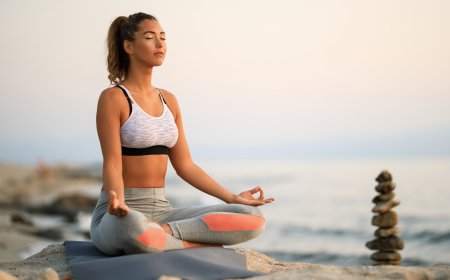
Prenatal yoga isn’t just about physical postures—it’s also deeply rooted in mindfulness. Deep breathing, meditation, and body awareness techniques help manage anxiety and stress levels, which can directly benefit both mother and baby.


Practicing breathing techniques during prenatal yoga also equips mothers with tools they can use during labor and delivery.
3. Improves Pelvic Strength and Flexibility
Strengthening the pelvic floor and hips through prenatal yoga can contribute to smoother labor and delivery. Poses like Malasana (Yogi Squat) and modified Warrior poses help build this crucial strength without overstraining the muscles.
However, experts warn that overstretching—especially during the third trimester—can increase the risk of ligament injuries. A recent article in Hindustan Times highlights how some poses can increase complications if done improperly. This makes it essential to know which movements to avoid.
4. Supports a Healthy Pregnancy Weight and Better Sleep
Regular prenatal yoga can assist with maintaining a healthy weight gain during pregnancy, while also improving metabolism and circulation. It also promotes better digestion, which often becomes sluggish during pregnancy.
Additionally, yoga before bedtime can encourage more restful sleep, especially in the later trimesters when insomnia and discomfort become common.
What to Avoid: Practical Safety Tips for Prenatal Yoga
Practicing prenatal yoga safely requires more than modifying poses—it involves tuning into your body and avoiding potentially harmful movements. Here are the top precautions to follow:
1. Avoid Lying on Your Back After the First Trimester
After 20 weeks of pregnancy, lying flat on your back can compress the inferior vena cava, reducing blood flow to the heart and possibly causing dizziness or shortness of breath. Instead, use props like bolsters or cushions to elevate your upper body during rest or relaxation poses.


2. Steer Clear of Deep Twists and Intense Backbends
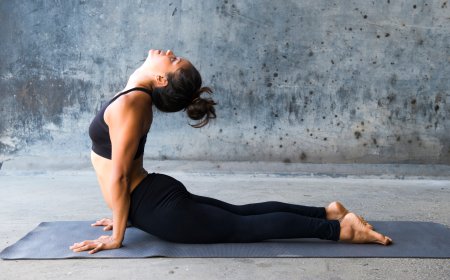
Intense spinal twists can compress internal organs and affect blood flow to the uterus. Similarly, deep backbends overstretch abdominal muscles, which are already under pressure during pregnancy. Replace them with open, gentle rotations or supported stretches that encourage stability over flexibility.
3. Skip Hot Yoga and Overexertion
Pregnant women are more sensitive to temperature changes, and overheating can lead to complications. Avoid heated yoga classes or intense sessions that raise your core body temperature too much. Always stay hydrated and take frequent breaks.
4. Avoid Poses That Involve Deep Core Compression or Belly Pressure
Planks, crunches, and any pose that heavily engages or compresses the abdominal muscles should be avoided, especially in the second and third trimesters. These movements can strain the linea alba (the connective tissue in the abdomen), increasing the risk of diastasis recti (ab separation).
5. Never Practice Without Consulting Your Healthcare Provider
Before starting any new fitness routine, including prenatal yoga, consult your OB-GYN. Each pregnancy is unique, and what’s safe for one mother may not be for another. High-risk pregnancies or specific conditions like placenta previa may require complete rest or alternative forms of movement.
Safe Prenatal Yoga: Step-by-Step Guide
Ready to begin your prenatal yoga journey? Follow this safe and effective step-by-step routine, especially curated for expecting mothers:
Step 1: Warm-Up with Gentle Breathing (5–7 Minutes)
Begin seated with a few rounds of deep, belly breathing. Inhale slowly through the nose, expanding your belly, and exhale fully. This calms the nervous system and prepares your body for movement.
Step 2: Practice Gentle Stretching and Movement (10–15 Minutes)
Use poses like:
-
Cat-Cow (to ease back tension)
-
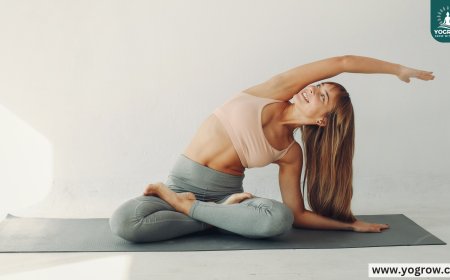
Seated Side Stretch (to open the ribcage)
-
Neck Rolls and Shoulder Shrugs (to release upper body tightness)
These movements improve flexibility without putting pressure on the belly.
Step 3: Strengthen with Supported Poses (10–12 Minutes)
Incorporate:
-
Warrior II (with chair or wall support)
-
Goddess Pose (with a cushion under hips)
-
Wall Sits or Squats (for pelvic strength)
These poses build endurance and prepare the body for labor.
Step 4: Relaxation and Mindfulness (8–10 Minutes)
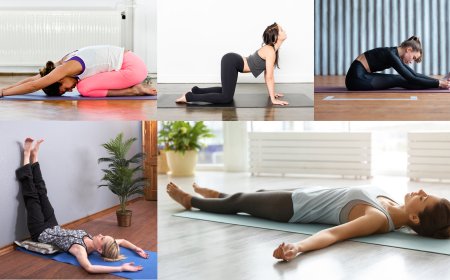
End with Supported Savasana (side-lying with a pillow) or Legs Elevated on a Bolster. Combine this with deep breathing or a guided meditation focused on connecting with your baby.
For additional safe pose recommendations, check out our article on gentle prenatal yoga poses for a smooth pregnancy.
Prenatal yoga can be a deeply nurturing experience—when practiced mindfully and safely. By understanding its significance and avoiding common risks, expectant mothers can harness yoga’s benefits throughout their pregnancy journey. Remember, it’s not about pushing limits—it’s about supporting your changing body with grace, strength, and self-compassion.
Looking for more tailored guidance? Don’t miss our blog on gentle prenatal yoga poses for a smooth pregnancy. Explore more tips, join our community, and book your next session with Yogrow today. Your prenatal wellness journey starts here.
What's Your Reaction?
 Like
0
Like
0
 Dislike
0
Dislike
0
 Love
0
Love
0
 Funny
0
Funny
0
 Angry
0
Angry
0
 Sad
0
Sad
0
 Wow
0
Wow
0