Lower Back Pain? Try This Healing Yoga Flow for Fast Relief
Discover how a Low Back Rescue Flow yoga routine relieves lower back pain, improves mobility, and restores comfort with safe, science-backed practices.
Lower back pain has quietly become one of the most common physical complaints in modern life. Long hours of sitting, poor posture, emotional stress, and limited movement all place constant strain on the lumbar spine. In fact, studies show that nearly 80% of adults experience lower back pain at some point in their lives. This is where a Low Back Rescue Flow becomes deeply relevant. Practicing yoga for lower back pain offers a gentle, effective way to restore mobility, ease discomfort, and reconnect with your body—without aggressive movements or strain. This healing yoga routine focuses on mindful breathing, controlled movement, and supportive poses that help calm the nervous system while strengthening the muscles that protect your spine.
Benefits of a Low Back Rescue Flow
1. Relieves Chronic and Acute Lower Back Pain
One of the most powerful benefits of a Low Back Rescue Flow is its ability to reduce both chronic and sudden lower back pain. Unlike high-impact workouts, yoga encourages slow, intentional movement that gently decompresses the spine. Poses such as Cat-Cow, Child’s Pose, and Knees-to-Chest help release tension built up in the lumbar region and surrounding muscles.
Research highlighted by Yoga Journal confirms that mindful yoga practices combined with breath awareness can significantly decrease pain intensity while improving functional movement for people with lower back discomfort. You can explore expert-backed insights here: https://www.yogajournal.com/poses/yoga-by-benefit/back-pain/yoga-lower-back-pain/.
2. Improves Spinal Mobility and Flexibility
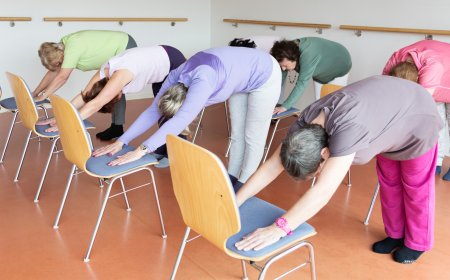
Lower back stiffness often develops due to inactivity and muscle imbalance. A healing yoga flow restores natural spinal movement by gently guiding the spine through flexion, extension, and neutral alignment. Movements like Downward-Facing Dog and Standing Forward Bend help lengthen tight muscles while improving circulation around the vertebrae.
Improved mobility not only reduces pain but also lowers the risk of future injuries. If you experience frequent stiffness in your upper body as well, pairing this practice with neck and shoulder work can be highly effective. A helpful read is Yogrow’s internal guide on relieving upper body tension: https://yogrow.ca/blog/7-powerful-yoga-poses-to-instantly-relieve-neck-and-shoulder-tension-yogrow.
3. Strengthens Core and Back-Supporting Muscles
Lower back pain is often a result of weak stabilizing muscles rather than flexibility alone. A Low Back Rescue Flow subtly engages the core, glutes, and spinal muscles, helping them support the lumbar spine more effectively. Poses like Squat (Malasana) and Sphinx Pose activate these areas without overloading them.
As these muscles strengthen, daily movements—such as bending, lifting, or twisting—become safer and more controlled. This functional strength is essential for long-term back health and posture correction.
4. Calms the Nervous System and Reduces Stress
Pain is not only physical—it’s deeply connected to stress and emotional tension. Slow breathing and mindful transitions in yoga activate the parasympathetic nervous system, which helps the body relax and heal. This mind-body connection is especially valuable for those whose back pain worsens during stressful periods.
Flows inspired by restorative principles, like the Lower Back Love Flow discussed by Yogi Peace Club, emphasize softness and awareness over intensity. You can learn more about this approach here: https://yogipeaceclub.com/blogs/news/lower-back-love-flow .
5. Encourages Safe, Sustainable Movement Habits
A key benefit of this yoga routine is learning how to move safely. By tuning into breath and bodily sensations, practitioners develop awareness that carries into daily life. This reduces harmful movement patterns, such as slouching or twisting incorrectly, which often contribute to lower back pain over time.
Step-by-Step Guide: Low Back Rescue Flow Yoga Practice
Step 1: Begin with Breath Awareness
Start by lying on your back or sitting comfortably. Place one hand on your belly and one on your chest. Take slow, deep breaths, allowing your abdomen to rise and fall. This calms the nervous system and prepares your body for gentle movement.
Step 2: Cat-Cow Pose (Marjaryasana-Bitilasana)
Move onto hands and knees with shoulders over wrists and hips over knees.
Inhale into Cow Pose, lifting your chest and gently arching your spine
Exhale into Cat Pose, rounding your back and tucking your chin Repeat for 6–10 slow breaths, syncing movement with breath to warm up the spine.
Step 3: Downward-Facing Dog (Adho Mukha Svanasana)
From Tabletop, tuck your toes and lift your hips upward. Bend your knees generously to reduce strain on the lower back. Press firmly through your hands and relax your neck. Stay here for 5–8 breaths, focusing on length rather than depth.
Step 4: Child’s Pose (Balasana)
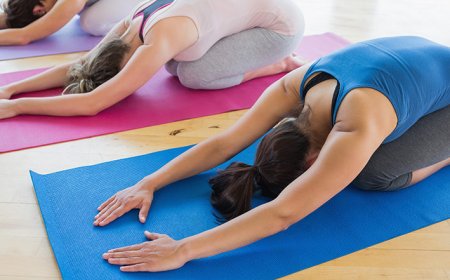
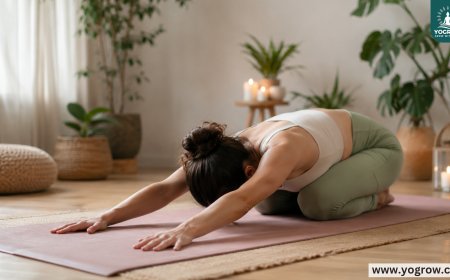
Lower your knees to the mat and sink your hips toward your heels. Extend your arms forward or rest them alongside your body. Use props under your knees or chest if needed. This pose gently stretches the lower back while encouraging deep relaxation.
Step 5: Standing Forward Bend (Uttanasana)
Slowly rise to standing and hinge forward from your hips with knees bent. Let your head and arms hang freely. This releases tension along the spine and encourages gentle decompression. Skip this pose if you have disc-related concerns.
Step 6: Squat Pose (Malasana)
Stand with feet slightly wider than hips and toes turned out. Lower into a squat, keeping your spine tall. Support yourself with blocks if necessary. This pose releases tension in the hips and glutes—key support muscles for the lower back.
Step 7: Sphinx Pose
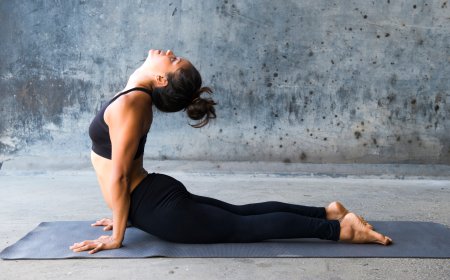
Lie on your belly and prop yourself up on your forearms. Keep elbows under shoulders and legs relaxed. Engage your core lightly and breathe deeply. This gentle backbend strengthens spinal muscles without compression.
Step 8: Knees-to-Chest (Apanasana)
Lie on your back and hug your knees toward your chest. Rock gently side to side if it feels soothing. This pose allows gravity to release tension from the lower back naturally.
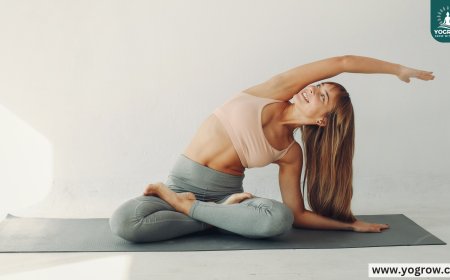
With knees bent, drop them gently to one side while keeping shoulders grounded. Stay for several breaths before switching sides. Twists should feel soothing—not forced.
A Low Back Rescue Flow is more than just a yoga routine—it’s a pathway to sustainable relief, improved mobility, and mindful living. By combining gentle stretches, strengthening poses, and conscious breathing, this practice supports both physical healing and emotional balance. When practiced consistently, it can significantly reduce discomfort and help prevent future back issues.
Ready to feel better in your body? Subscribe to Yogrow for expert yoga insights, book a guided class, or share your experience in the comments. Your back—and your breath—will thank you.






 Like
0
Like
0
 Dislike
0
Dislike
0
 Love
0
Love
0
 Funny
0
Funny
0
 Angry
0
Angry
0
 Sad
0
Sad
0
 Wow
0
Wow
0