



Manage PCOS Naturally: 8 Yoga Habits That Change Everything
Discover daily yoga habits for PCOS with 5 effective asanas to balance hormones, improve metabolism, and reduce symptoms naturally.


Managing PCOS symptoms with daily yoga habits has become a powerful and natural approach for women seeking balance in their bodies. In today’s fast-paced lifestyle, conditions like PCOS (Polycystic Ovary Syndrome) are increasingly common, affecting hormonal health, metabolism, and emotional well-being. While medical treatment plays an important role, incorporating yoga into your daily routine can significantly improve symptoms. With just 20–30 minutes a day, yoga helps regulate hormones, reduce stress, and improve reproductive health—making it a holistic and sustainable solution for long-term wellness.
Benefits of Daily Yoga Habits for PCOS
Improved Hormonal Balance
One of the biggest challenges of PCOS is hormonal imbalance, especially elevated androgens. Yoga helps regulate endocrine function by stimulating glands like the thyroid and ovaries. Regular practice reduces cortisol (stress hormone), which plays a direct role in worsening PCOS symptoms.
According to insights shared in this high-authority health article on yoga for PCOS, consistent yoga practice improves blood circulation to reproductive organs, helping regulate menstrual cycles and support fertility. This natural hormonal regulation makes yoga an essential part of PCOS management.
For a deeper understanding of gentle techniques, you can explore this guide on slow yoga for PCOS and hormone balance, which focuses on calming practices that enhance hormonal stability.
Supports Weight Management and Metabolism
Weight gain and insulin resistance are common concerns for women with PCOS. Yoga, especially dynamic sequences like Surya Namaskar, helps boost metabolism and improve insulin sensitivity. Unlike high-intensity workouts, yoga offers a balanced approach that reduces stress while aiding fat loss. Poses like Naukasana (Boat Pose) directly target abdominal fat and strengthen the core. Over time, consistent yoga practice helps regulate appetite, improve digestion, and support sustainable weight management—without putting excessive strain on the body.


Reduces Stress and Anxiety
Stress is a major trigger that worsens PCOS symptoms. Elevated cortisol levels can disrupt hormones, leading to irregular periods and mood swings. Yoga incorporates breathwork (pranayama) and mindfulness, which calm the nervous system.
Relaxing poses like Supta Baddha Konasana (Reclining Butterfly Pose) promote deep relaxation and emotional release. This not only improves mental health but also enhances hormonal function, creating a positive feedback loop for overall well-being.
Enhances Reproductive Health
Yoga improves blood flow to the pelvic region, which is crucial for ovarian function. Many asanas gently massage abdominal organs, improving circulation and reducing inflammation.
Practices such as Baddha Konasana (Butterfly Pose) and Bhujangasana (Cobra Pose) help stimulate reproductive organs and may improve fertility outcomes over time. These poses also ease menstrual discomfort, making cycles more manageable.
Improves Digestion and Detoxification
Digestive issues like bloating and sluggish metabolism are common in PCOS. Yoga poses such as Pawanmuktasana (Wind-Relieving Pose) help eliminate toxins, improve gut health, and reduce bloating.
A healthy digestive system plays a key role in hormone regulation. When your body efficiently processes nutrients and eliminates waste, it supports better endocrine function—essential for managing PCOS naturally.
Practical Steps: Daily Yoga Routine for PCOS
Creating a consistent yoga routine doesn’t have to be complicated. Follow this simple, effective sequence to manage PCOS symptoms:


Step 1: Start with Surya Namaskar (5–10 rounds)
Begin your session with Sun Salutations to warm up the body. This full-body flow boosts metabolism, improves circulation, and prepares your body for deeper stretches. Synchronize each movement with your breath for maximum benefit.
Step 2: Strengthen Core with Naukasana
Move into Boat Pose to engage your core and target abdominal fat. Hold the position for 15–30 seconds and repeat 2–3 times. This helps improve digestion and supports weight management.
Step 3: Open the Pelvis with Butterfly Pose
Sit comfortably and bring the soles of your feet together. Gently move your knees up and down or hold the position for 30–60 seconds. This improves blood flow to reproductive organs and relieves pelvic tension.
Step 4: Activate Hormones with Dhanurasana
Lie on your stomach and lift your chest and legs while holding your ankles. This backbend stimulates abdominal organs and enhances hormonal function. Hold for 20–30 seconds.
Step 5: Improve Digestion with Pawanmuktasana
Lie on your back and hug your knees to your chest. Gently rock side to side to massage the abdomen. This helps relieve gas, bloating, and digestive discomfort.
Step 6: Deep Squat in Malasana
Perform Garland Pose to open hips and strengthen the pelvic floor. Hold for 5–10 breaths. This posture also improves metabolism and supports hormonal balance.
Step 7: Relax with Reclining Butterfly Pose
Lie back with your feet together and knees open. Stay in this pose for 3–5 minutes, focusing on deep breathing. This step is crucial for reducing stress and calming the mind.
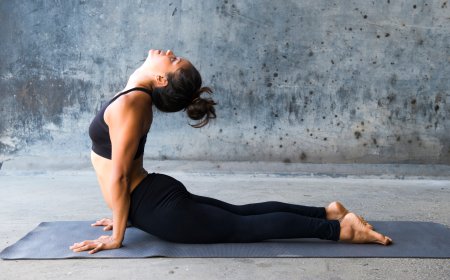
Step 8: Finish with Cobra Pose
End your session with Bhujangasana to stimulate the ovaries and thyroid. Hold for 15–30 seconds while breathing deeply. This pose strengthens the spine and improves circulation.
For more structured guidance, you can explore this expert-backed resource on yoga healing practices for PCOS and fertility, which provides deeper insights into therapeutic yoga routines.
Daily yoga habits can play a transformative role in managing PCOS symptoms naturally. From balancing hormones and improving metabolism to reducing stress and enhancing reproductive health, yoga offers a holistic solution that supports both physical and emotional well-being. The key lies in consistency—just 20–30 minutes a day can make a noticeable difference over time.
If you’re ready to take control of your health, start incorporating these yoga asanas into your daily routine today. For more powerful practices, check out this detailed guide on PCOS yoga movements for hormonal balance.
Ready to begin your wellness journey? Explore more blogs, join a yoga session, or share your experience in the comments—we’d love to hear from you!
What's Your Reaction?
 Like
0
Like
0
 Dislike
0
Dislike
0
 Love
0
Love
0
 Funny
0
Funny
0
 Angry
0
Angry
0
 Sad
0
Sad
0
 Wow
0
Wow
0