

PCOS & Hormones Out of Control? Try These Powerful Yoga Breathing Techniques
Discover how pranayama and yoga help balance hormones in PCOS. Learn benefits, yoga poses, breathing techniques, and safe home practice tips.

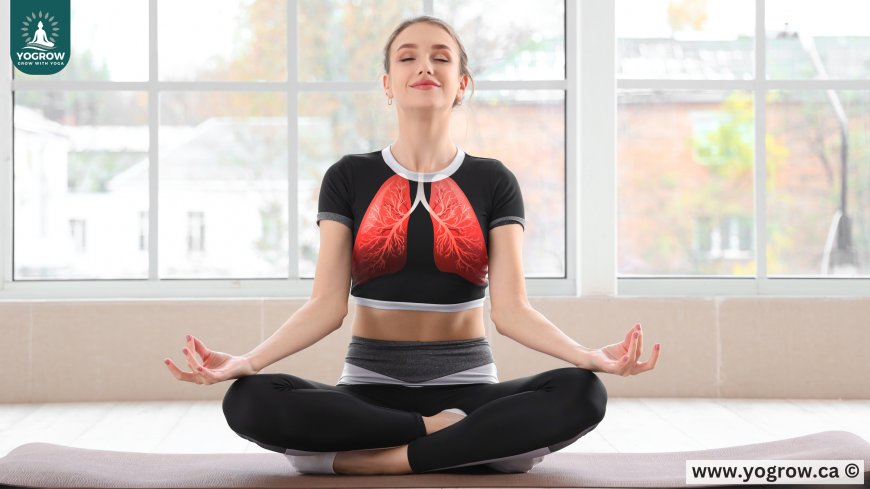
Polycystic Ovary Syndrome (PCOS) is one of the most common hormonal disorders affecting women today, impacting nearly 1 in 10 women of reproductive age. From irregular periods and acne to weight gain and fertility challenges, PCOS can significantly affect both physical and emotional well-being. While medical treatment plays an important role, many women are now turning to pranayama and yoga for PCOS as natural, holistic solutions to balance hormones and manage symptoms.
Yoga works at the root level—calming the nervous system, reducing stress hormones, and improving endocrine function. In this article, we explore the significance of pranayama and yoga for PCOS, explain how they support hormonal health, and guide you through practical, safe steps you can follow at home.
Significance of Pranayama & Yoga for PCOS
Yoga and pranayama are not just physical exercises; they are powerful mind–body practices that address the hormonal, metabolic, and emotional aspects of PCOS. Below are the key reasons why pranayama and yoga are highly effective for managing PCOS naturally.
1. Helps Restore Hormonal Balance Naturally
The primary cause of PCOS is hormonal imbalance, particularly elevated androgen (male hormone) levels. Chronic stress increases cortisol, which further disrupts estrogen, progesterone, and insulin levels. Pranayama techniques such as deep breathing and controlled exhalation calm the hypothalamic-pituitary-adrenal (HPA) axis, helping normalize hormone production.
Slow, mindful breathing sends signals to the brain that the body is safe, reducing stress hormones and supporting hormonal regulation. According to expert insights shared in this guide on yoga poses to balance hormones, regular yoga practice can positively influence endocrine glands such as the ovaries, thyroid, and adrenal glands. https://habuild.in/blog/yoga-poses-for-hormonal-imbalance/.


2. Reduces Stress and Emotional Imbalance
Stress is one of the biggest triggers that worsens PCOS symptoms. Women with PCOS often experience anxiety, mood swings, depression, and mental fatigue. Pranayama works directly on the nervous system, activating the parasympathetic (rest-and-digest) response.
Gentle breathing techniques combined with relaxing yoga poses help lower cortisol levels, improve sleep quality, and stabilize mood. When stress levels drop, the body becomes more receptive to healing. You can explore deeper insights into stress management through yoga in this Yogrow article on yoga for healthy ovaries and hormonal balance, which explains how stress reduction plays a critical role in PCOS recovery. https://yogrow.ca/blog/say-goodbye-to-hormonal-imbalance-yoga-for-healthy-ovaries-yogrow.
3. Improves Insulin Sensitivity and Metabolism
Insulin resistance is a common issue in women with PCOS, often leading to weight gain and difficulty losing fat. Certain yoga poses and breathing techniques stimulate abdominal organs, improve digestion, and regulate blood sugar levels.
Dynamic movements combined with controlled breathing enhance metabolism and help the body use insulin more efficiently. Studies and yoga experts highlight that consistent practice can support weight management and metabolic health, which is crucial for long-term PCOS control.
A detailed list of effective yoga poses for PCOS management can be found here: https://www.narayandhamcare.com/pcos-9-yoga-poses-to-balance-hormones/.
4. Enhances Blood Circulation to Reproductive Organs
Many yoga poses focus on opening the pelvic region, increasing blood flow to the ovaries and uterus. Improved circulation means better oxygen and nutrient supply, which supports ovulation and menstrual regularity.
When pranayama is practiced alongside these poses, it amplifies the benefits by improving overall circulation and energy flow (prana) throughout the body. Over time, this can help regulate periods and improve fertility outcomes naturally.
5. Supports Long-Term, Sustainable Healing
Unlike quick-fix solutions, yoga and pranayama offer sustainable, long-term healing. They don’t just mask symptoms; they help correct underlying imbalances. With consistent practice, women often experience improved energy levels, better emotional stability, healthier cycles, and enhanced overall well-being.


Practical Steps: How to Practice Pranayama & Yoga for PCOS at Home
If you are new to yoga or pranayama, the key is to start slow and stay consistent. Below is a simple, step-by-step approach you can safely follow at home.
Step 1: Choose a Calm, Quiet Space
Select a clean, well-ventilated area where you won’t be disturbed. Early morning is ideal, but any quiet time works. Use a yoga mat and wear comfortable clothing.
Step 2: Begin with Gentle Warm-Up (5 Minutes)
Before practicing poses, gently warm up your body with neck rolls, shoulder rotations, and light stretching. This prevents injury and prepares your muscles and joints.
Step 3: Practice Yoga Poses for PCOS (15–20 Minutes)
Include poses that focus on hormonal balance and pelvic health, such as:
-
Baddha Konasana (Butterfly Pose) – Improves ovarian circulation
-
Bhujangasana (Cobra Pose) – Stimulates abdominal organs
-
Dhanurasana (Bow Pose) – Enhances reproductive health
-
Setu Bandhasana (Bridge Pose) – Balances thyroid and reduces stress
-
Supta Baddha Konasana – Deep relaxation and hormonal harmony
-
Malasana (Garland Pose) – Opens hips and supports digestion
Move slowly, synchronize breath with movement, and never force your body.
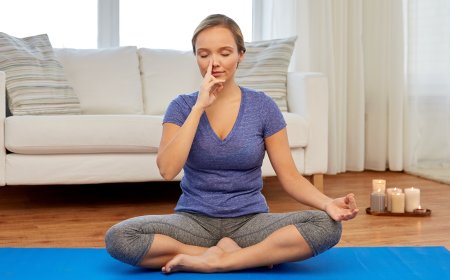
Step 4: Add Pranayama (5–10 Minutes)
After poses, sit comfortably and practice gentle breathing techniques:
-
Slow deep breathing
-
Equal inhalation and exhalation
-
Awareness of breath flow
These breathing practices help calm the mind and stabilize hormones. According to yoga experts, combining pranayama with asanas significantly enhances PCOS recovery outcomes.
https://habuild.in/blog/yoga-poses-for-hormonal-imbalance/.
Step 5: End with Shavasana (5 Minutes)
Lie down in Shavasana (Corpse Pose) and allow your body to fully relax. This step is essential for absorbing the benefits of your practice and reducing cortisol levels.
Step 6: Maintain Consistency & Lifestyle Balance
Practice yoga and pranayama for at least 20–30 minutes daily. Combine your routine with healthy eating, proper hydration, and adequate sleep for best results.
PCOS may be a complex hormonal condition, but with the right approach, it is manageable. Pranayama and yoga offer a natural, effective, and sustainable way to balance hormones, reduce stress, improve metabolism, and support reproductive health. When practiced consistently, these techniques empower women to heal from within—physically, mentally, and emotionally.
If you want to dive deeper into stress relief and healing through yoga, don’t miss this in-depth guide on deep healing yoga for PCOS and stress management on Yogrow.ca:
https://yogrow.ca/blog/deep-healing-yoga-for-pcos-the-stress-relief-secret-every-woman-should-know-yogrow.
Ready to take the next step?
Explore more expert-backed yoga resources on Yogrow.ca, book a guided yoga session, or subscribe to our blog for weekly wellness insights. Your journey to hormonal balance starts with a single breath—begin today.
What's Your Reaction?
 Like
0
Like
0
 Dislike
0
Dislike
0
 Love
0
Love
0
 Funny
0
Funny
0
 Angry
0
Angry
0
 Sad
0
Sad
0
 Wow
0
Wow
0