
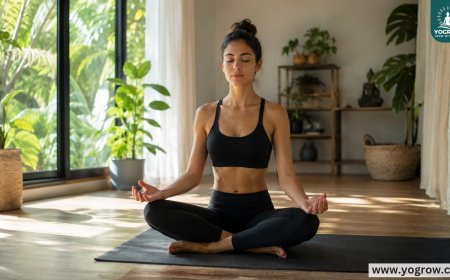

PCOS Yoga Routine Taking Over Social Media for Fast Hormone Balance
Discover the viral PCOS yoga routine that supports hormone balance, reduces stress, and improves wellness naturally with simple daily yoga practices.

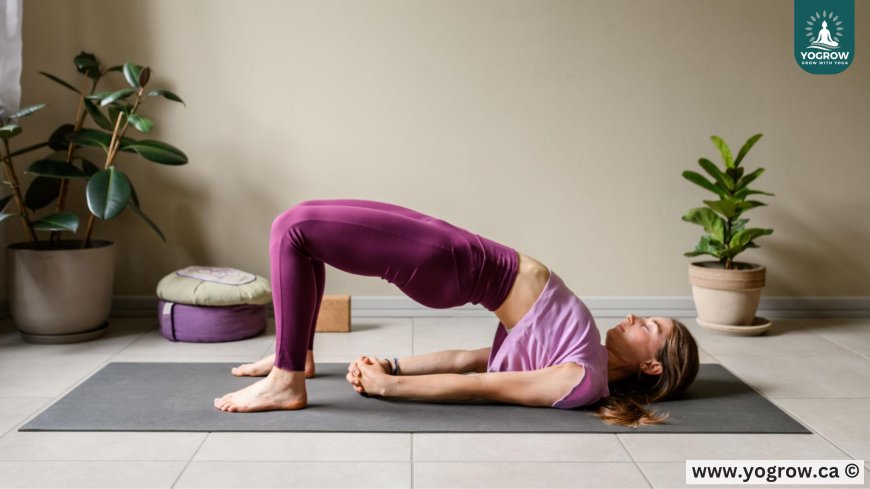
The PCOS yoga routine that took over social media is quickly becoming a powerful natural approach for women looking to manage hormonal imbalance, stress, and lifestyle challenges. As more people turn toward holistic wellness, yoga has emerged as a gentle yet effective practice for supporting symptoms of Polycystic Ovary Syndrome (PCOS).
What makes this routine so popular is its simplicity and accessibility—no intense workouts or complicated diets, just mindful movement and breathing. In a world where hormonal health issues are rising, this viral yoga routine is helping thousands reconnect with their bodies and regain balance naturally.
Benefits of the PCOS Yoga Routine That Took Over Social Media
The viral PCOS yoga trend is not just a fitness fad—it is grounded in science-backed benefits that support hormonal, emotional, and metabolic health.
1. Supports Hormonal Balance Naturally
One of the most important benefits of yoga for PCOS is its ability to support hormonal regulation. Certain poses help stimulate the endocrine system, which plays a key role in hormone production.
According to research highlighted by experts at Healthline, yoga may help reduce androgen levels and improve reproductive hormone balance in women with PCOS. This makes it a valuable complementary therapy alongside medical treatment.


You can also explore more lifestyle approaches in our guide: Manage PCOS Naturally: 8 Yoga Habits That Change Everything
2. Reduces Stress and Cortisol Levels
Stress is one of the major triggers that worsens PCOS symptoms. Elevated cortisol levels can interfere with insulin function and hormonal stability.
Yoga activates the parasympathetic nervous system, helping the body shift into a “rest and recover” state. Slow breathing techniques like pranayama calm the mind and reduce emotional fatigue.
This is why many women report feeling lighter, calmer, and more emotionally balanced after following the PCOS yoga routine that is trending on social media platforms.
3. Improves Insulin Sensitivity
Insulin resistance is a common issue in PCOS, and it contributes to weight gain, fatigue, and irregular cycles. Yoga helps improve glucose metabolism through gentle physical activity and muscle engagement.
Regular practice enhances blood circulation and supports better insulin sensitivity over time. This makes yoga an effective, low-impact option for women who struggle with high-intensity workouts.
For a structured approach, you can also check this routine: Daily Yoga Routine for PCOS That May Balance Hormones Fast


4. Helps Regulate Menstrual Cycles
Many women with PCOS experience irregular or delayed periods. The combination of yoga postures and breathing techniques may help stimulate the reproductive organs and improve blood flow to the pelvic region.
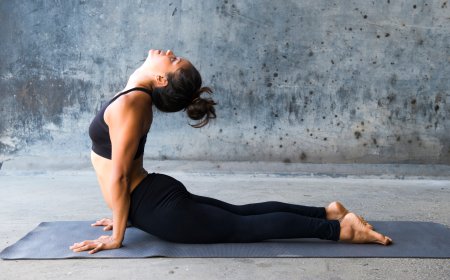
Certain poses like butterfly pose, cobra pose, and bridge pose are often included in the viral PCOS yoga routine because they gently activate the lower abdomen and support cycle regulation.
Over time, consistent practice may contribute to more predictable menstrual cycles and reduced discomfort.
5. Enhances Mind-Body Awareness and Emotional Health
Beyond physical benefits, this yoga routine builds a stronger mind-body connection. PCOS is often linked with anxiety, depression, and body image concerns.
Yoga encourages mindfulness, self-acceptance, and emotional stability. Many women find that the routine helps them feel more in control of their health journey.
The social media popularity of this practice also creates a supportive online community where women share progress, motivation, and healing stories.
Practical Steps: How to Follow the Viral PCOS Yoga Routine
If you want to start the PCOS yoga routine that took over social media, consistency and simplicity are key. You don’t need advanced skills—just a quiet space and commitment.
Step 1: Start with Deep Breathing (5 Minutes)
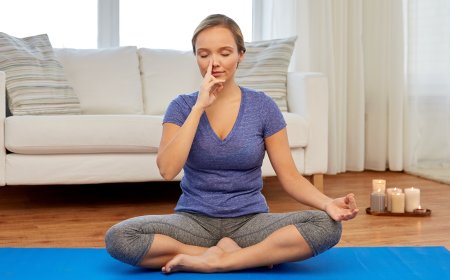
Begin your session with slow, deep breathing exercises. Inhale through the nose, hold for a few seconds, and exhale slowly. This prepares your body for movement and reduces stress instantly.
Step 2: Warm-Up with Gentle Stretching (5–7 Minutes)
Loosen your body with neck rolls, shoulder stretches, and light spinal movements. This improves flexibility and reduces stiffness.
Step 3: Practice Core PCOS Yoga Poses (15–20 Minutes)
Include poses such as:
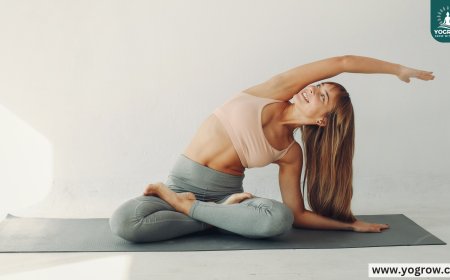
- Butterfly Pose (Baddha Konasana)
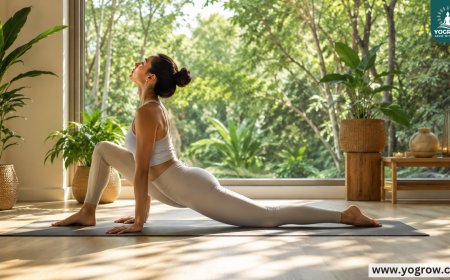
- Cobra Pose (Bhujangasana)
- Bridge Pose (Setu Bandhasana)
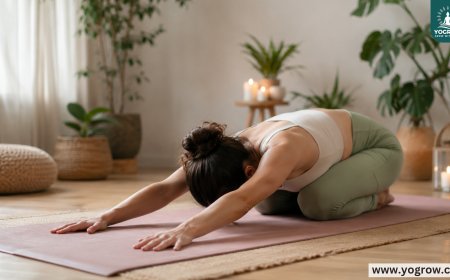
- Child’s Pose (Balasana)
These poses help stimulate hormonal glands and improve pelvic circulation.
Step 4: Add Relaxation Poses (5–10 Minutes)
End the active practice with restorative poses. This helps your body absorb the benefits of the session and promotes deep relaxation.
Step 5: End with Meditation (5 Minutes)
Sit quietly, close your eyes, and focus on your breath. This improves emotional balance and mental clarity. Consistency is more important than intensity. Practicing 20–30 minutes daily can bring noticeable improvements over time.
The PCOS yoga routine that took over social media is more than a trend—it’s a sustainable, natural approach to managing hormonal imbalance, stress, and overall well-being. From improving insulin sensitivity to supporting emotional health, yoga offers a holistic path that many women are now embracing.
If you’re ready to take your wellness journey further, explore this deeper guide: This Daily Yoga Routine for PCOS May Naturally Balance Your Hormones Fast.
Start small, stay consistent, and allow your body to gradually adapt. Your journey toward balance begins with a single breath.
What's Your Reaction?
 Like
0
Like
0
 Dislike
0
Dislike
0
 Love
0
Love
0
 Funny
0
Funny
0
 Angry
0
Angry
0
 Sad
0
Sad
0
 Wow
0
Wow
0