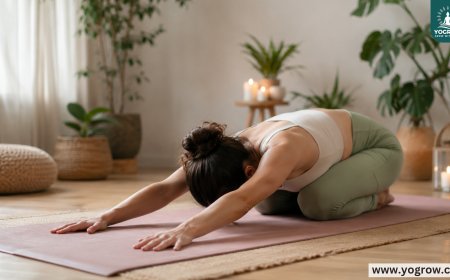
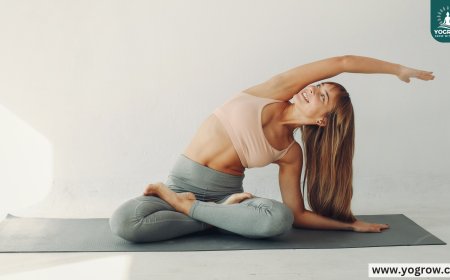


This Daily Yoga Routine for PCOS May Naturally Balance Your Hormones Fast
Discover a daily yoga routine for PCOS to balance hormones, reduce stress, and improve symptoms naturally with simple, effective practices.

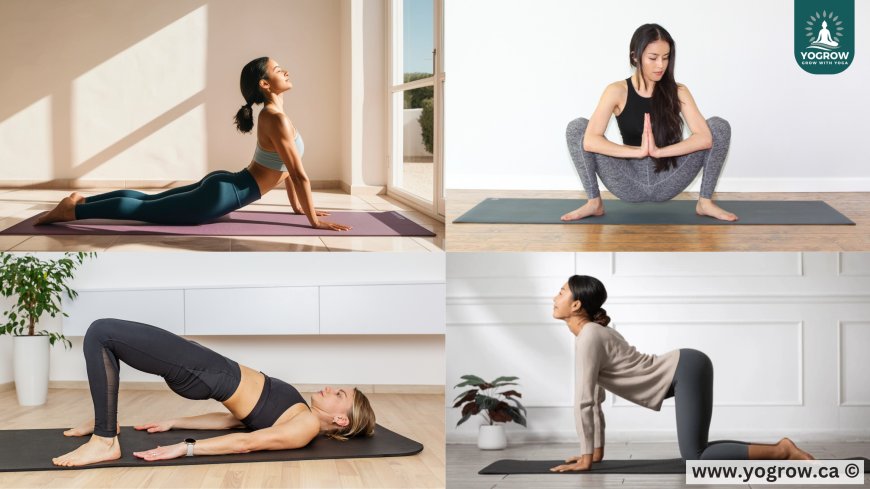
Struggling with hormonal imbalances and irregular cycles? This daily yoga routine for PCOS may help you manage PCOS naturally while improving both physical and mental well-being. With more women seeking holistic solutions today, yoga has emerged as a powerful, natural approach to support hormone balance, reduce stress, and enhance overall health. Unlike quick fixes, yoga works from within—targeting the root causes of PCOS symptoms. In this blog, we’ll explore how a consistent yoga routine can make a meaningful difference in your daily life and long-term wellness journey.
Benefits of This Daily Yoga Routine for PCOS
1. Helps Regulate Hormonal Imbalance Naturally
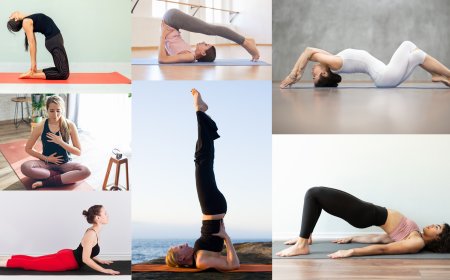
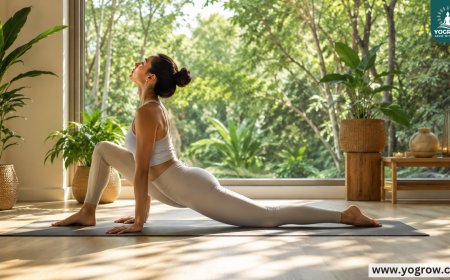
One of the biggest challenges with PCOS is hormonal imbalance, particularly involving insulin and androgens. A consistent yoga routine can stimulate endocrine glands, helping regulate hormone production more effectively. Specific poses like Bhujangasana (Cobra Pose) and Setu Bandhasana (Bridge Pose) gently activate the ovaries and thyroid glands, promoting balance.
Research-backed insights from high-authority sources like Yoga for Women with PCOS highlight how yoga can improve endocrine function over time. Additionally, if you want to dive deeper into targeted movements, check out this guide on PCOS and yoga: 7 powerful movements that support hormonal balance for more structured routines.
2. Reduces Stress and Cortisol Levels
Stress plays a major role in worsening PCOS symptoms by increasing cortisol levels, which further disrupt hormones. Yoga incorporates breathing techniques (pranayama) and meditation, which calm the nervous system and reduce stress.
Practicing yoga daily helps shift your body from “fight or flight” mode to “rest and digest,” allowing hormones to stabilize naturally. Over time, reduced stress can lead to better sleep, improved mood, and fewer PCOS flare-ups.


3. Supports Weight Management and Metabolism
Weight gain and difficulty losing weight are common concerns with PCOS. A daily yoga routine may not burn calories like intense workouts, but it significantly improves metabolism and insulin sensitivity.
According to insights from Healthline’s yoga for PCOS guide, yoga helps improve glucose metabolism and supports sustainable weight management. Gentle flows combined with mindful breathing can enhance fat-burning processes without stressing the body.
4. Improves Menstrual Regularity
Irregular periods are one of the most noticeable symptoms of PCOS. Yoga helps improve blood circulation in the pelvic region and stimulates reproductive organs, which may support more regular cycles.
Certain poses like Malasana (Garland Pose) and Supta Baddha Konasana (Reclining Butterfly Pose) are especially effective for improving pelvic health. With consistent practice, many women report more predictable cycles and reduced discomfort.
5. Enhances Mental and Emotional Well-being
PCOS doesn’t just affect the body—it also impacts mental health, often leading to anxiety, mood swings, and low self-esteem. Yoga combines physical movement with mindfulness, creating a powerful tool for emotional balance.
Daily practice builds self-awareness, reduces anxiety, and boosts confidence. Over time, this holistic approach helps you feel more in control of your health and your life.
Practical Steps: A Daily Yoga Routine for PCOS
Creating a daily yoga routine doesn’t have to be complicated. Here’s a simple, beginner-friendly structure you can follow:


Step 1: Start with Deep Breathing (5 Minutes)
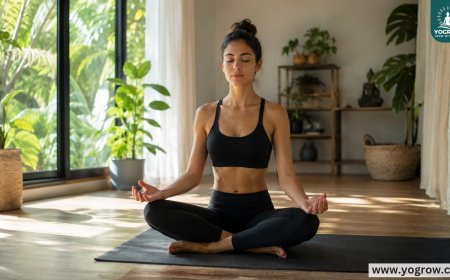
Begin your session with pranayama techniques like Anulom Vilom or deep belly breathing. This helps calm your mind and prepares your body for movement.
Step 2: Gentle Warm-Up (5–7 Minutes)
Include neck rolls, shoulder rotations, and light stretches. This improves blood flow and prevents injuries.
Step 3: Core Yoga Poses (15–20 Minutes)
Focus on poses that specifically support PCOS management:
- Bhujangasana (Cobra Pose)
- Setu Bandhasana (Bridge Pose)
- Malasana (Garland Pose)
- Supta Baddha Konasana (Reclining Butterfly Pose)
- Marjariasana (Cat-Cow Pose)
Move slowly and mindfully, holding each pose for 5–8 breaths.
Step 4: Relaxation and Meditation (5–10 Minutes)
End your session with Savasana (Corpse Pose) and a short meditation. This allows your body to absorb the benefits and deeply relax.
Step 5: Stay Consistent
Consistency is key. Even 20–30 minutes daily can bring noticeable improvements over time. For more structured habits, you can explore this helpful resource: Manage PCOS naturally: 8 yoga habits that change everything.
Managing PCOS doesn’t always require complex treatments—sometimes, simple daily habits like yoga can create powerful, lasting changes. This daily yoga routine for PCOS helps balance hormones, reduce stress, improve metabolism, and support overall well-being naturally.
If you’re ready to take control of your health, start small and stay consistent. Explore more expert-backed routines like 8 yoga habits that change everything for PCOS and deepen your practice.
Ready to transform your wellness journey? Subscribe to Yogrow, explore more blogs, or book a guided yoga session today—and take your first step toward natural PCOS management.
What's Your Reaction?
 Like
1
Like
1
 Dislike
0
Dislike
0
 Love
0
Love
0
 Funny
0
Funny
0
 Angry
0
Angry
0
 Sad
0
Sad
0
 Wow
0
Wow
0