
Struggling With Arthritis? These Gentle Yoga Poses Bring Real Joint Relief
Discover how yoga for arthritis relief improves joint comfort, flexibility, and mobility with safe movements and simple daily practices.

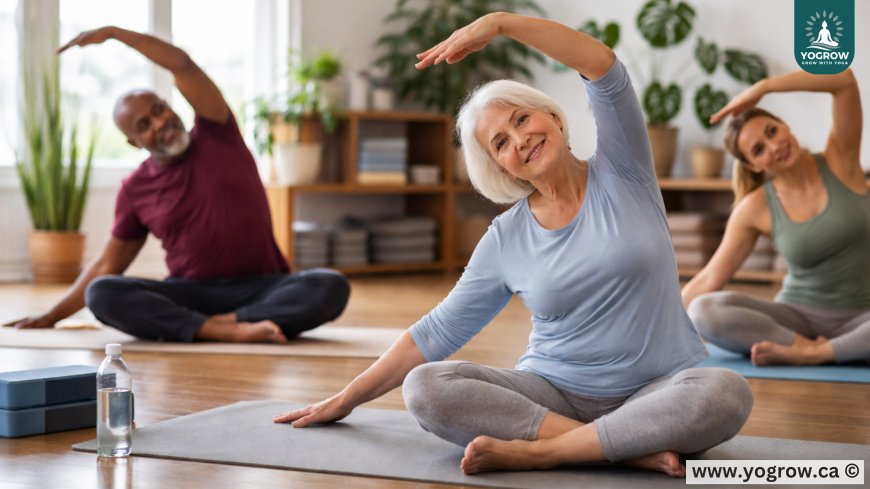
Yoga for arthritis relief is becoming an increasingly popular way to manage joint stiffness, pain, and reduced mobility. Millions of people worldwide live with arthritis, and while medication and physical therapy are common treatments, gentle yoga movements provide a natural and effective complementary approach. Practicing yoga regularly can help improve joint flexibility, strengthen supportive muscles, and reduce inflammation while promoting relaxation and overall well-being.
Unlike high-impact exercises that may strain the joints, yoga focuses on slow, controlled movements and mindful breathing. These elements make it especially beneficial for individuals living with arthritis. With proper guidance and safe modifications, yoga can ease discomfort, improve posture, and support long-term joint health.
Benefits of Yoga for Arthritis Relief
Improved Joint Flexibility and Mobility
One of the most significant benefits of yoga for arthritis is improved joint flexibility. Arthritis often causes stiffness that limits daily movement, making even simple tasks like walking or bending difficult. Gentle yoga poses stretch surrounding muscles and connective tissues, gradually increasing the range of motion in affected joints.
Consistent practice helps lubricate joints and maintain mobility, reducing the feeling of stiffness commonly experienced in the morning or after long periods of inactivity. Many yoga poses focus on slow, controlled stretching, which is ideal for individuals who need to avoid sudden or intense movements.
According to guidance discussed in this high-authority resource on yoga for arthritis exercises, gentle yoga can help reduce pain while improving mobility and muscle strength when practiced consistently.


Yoga also encourages alignment and posture correction, which can reduce unnecessary pressure on joints such as the knees, hips, and spine. For example, maintaining a healthy spinal posture can relieve pressure across the entire body. If you're interested in learning poses that enhance spinal alignment, explore this helpful guide on 10 yoga poses that instantly improve spine flexibility and posture.
Strengthening Muscles That Support Joints
Strong muscles are essential for protecting joints affected by arthritis. When surrounding muscles are weak, the joints must absorb more stress during daily activities. Yoga helps build gentle strength without placing excessive pressure on sensitive areas.
Poses such as Warrior variations, supported lunges, and chair poses strengthen muscles in the legs, hips, and core. These muscles play a critical role in stabilizing the joints and reducing strain during movement. Unlike traditional weight training, yoga focuses on controlled bodyweight resistance combined with balance and stability. This approach strengthens muscles evenly and helps prevent further joint damage. Over time, improved muscular support allows people with arthritis to move more confidently and with less discomfort.
Reduced Inflammation and Pain
Inflammation is a key factor in arthritis pain. Yoga incorporates breathing techniques and relaxation practices that can help reduce stress levels in the body. Since chronic stress can worsen inflammation, practicing yoga regularly may help lower inflammatory responses.
Slow breathing exercises used in yoga activate the parasympathetic nervous system—the body's natural relaxation response. This can help calm the body and decrease pain sensitivity.
Research and health experts highlighted in this informative guide on yoga and arthritis management suggest that regular yoga practice may reduce pain levels and improve quality of life for individuals living with arthritis.
When pain levels decrease, people are more likely to stay physically active, which further supports joint health and mobility.


Better Balance and Stability
Arthritis can sometimes lead to reduced balance due to joint stiffness or muscle weakness. Yoga improves balance through slow, mindful movements that activate stabilizing muscles throughout the body.
Balance-focused poses train the body to maintain stability while shifting weight between joints and muscles. Over time, this reduces the risk of falls and injuries, especially among older adults living with arthritis. Improved balance also increases confidence in everyday movements such as walking, climbing stairs, or bending down. By strengthening both physical stability and body awareness, yoga helps individuals regain control over their movements.
Enhanced Mental Well-Being
Living with chronic pain can affect mental health as well as physical well-being. Yoga encourages mindfulness, relaxation, and emotional balance through breathing and meditation techniques.
Practicing yoga allows individuals to reconnect with their bodies in a positive and supportive way. Instead of focusing solely on discomfort, yoga encourages awareness, patience, and self-care.
Regular yoga sessions may help reduce anxiety, improve sleep quality, and promote a more positive outlook on managing arthritis. These psychological benefits play an important role in long-term pain management and overall quality of life.
Practical Steps: Safe Yoga Guide for Arthritis Relief
If you're new to yoga or managing arthritis symptoms, starting with a gentle and mindful approach is essential. The following step-by-step guide can help you begin practicing yoga safely.
Step 1: Consult a Healthcare Professional
Before starting any exercise routine, especially if you have arthritis, consult a healthcare provider or physical therapist. They can recommend safe movement ranges and identify which joints need special attention.
This ensures your yoga practice supports healing rather than causing strain.
Step 2: Choose Gentle Yoga Styles
Not all yoga styles are suitable for arthritis. Opt for slower and more supportive forms such as:
-
Hatha Yoga
-
Gentle Yoga
-
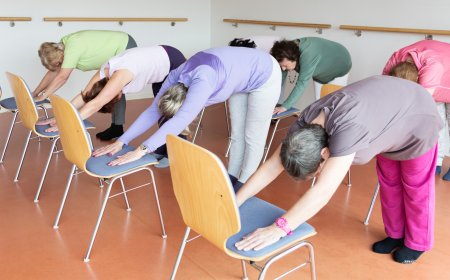
Chair Yoga
-
Restorative Yoga
These styles emphasize controlled movements and relaxation rather than intense physical challenges.
Step 3: Start with Warm-Up Movements
A gentle warm-up prepares the joints for movement and prevents stiffness. Simple movements include:
-
Shoulder rolls
-
Neck rotations
-
Wrist and ankle circles
-
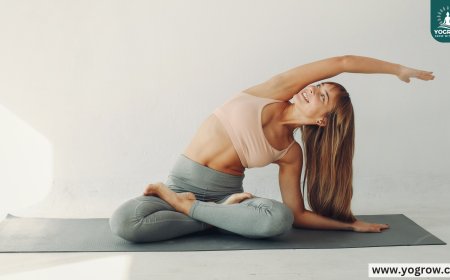
Gentle spinal twists
These exercises stimulate circulation and reduce the risk of discomfort during yoga poses.
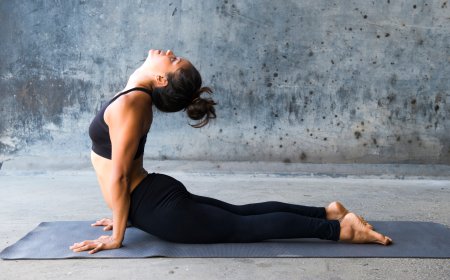
Step 4: Practice Simple Arthritis-Friendly Yoga Poses
Begin with beginner-friendly poses that support joint comfort:
1. Mountain Pose (Tadasana)
Improves posture and strengthens the legs.
2. Cat-Cow Stretch
Enhances spinal flexibility and reduces stiffness in the back.
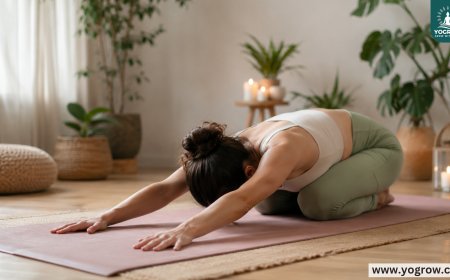
3. Child’s Pose
Gently stretches the hips and lower back.
4. Seated Forward Bend
Improves hamstring flexibility while protecting the knees.
5. Bridge Pose
Strengthens the hips and supports the lower back.
These poses are gentle yet effective in improving flexibility and circulation around joints.
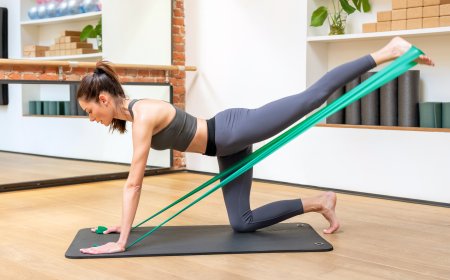
Step 5: Use Props for Extra Support
Yoga props can make poses safer and more comfortable. Consider using:
-
Yoga blocks for balance
-
Straps to extend reach
-
Cushions or bolsters for joint support
-
Chairs for stability
Props help reduce strain while allowing you to enjoy the benefits of each pose.
Step 6: Focus on Breathing and Relaxation
Deep breathing is an essential part of yoga practice. Controlled breathing helps reduce tension in muscles and encourages relaxation throughout the body.
Try simple breathing techniques such as:
-
Slow belly breathing
-
Equal inhale and exhale patterns
-
Gentle mindfulness breathing
These techniques support pain relief and help the body recover after movement.
Step 7: Practice Consistently but Gently
Consistency matters more than intensity. Practicing yoga for 10–20 minutes daily can bring noticeable improvements in flexibility, strength, and pain management.
Always listen to your body and avoid pushing through pain. Over time, your body will naturally adapt and become stronger.
Yoga offers a safe and natural way to manage arthritis symptoms while improving overall well-being. Through gentle movements, mindful breathing, and consistent practice, individuals with arthritis can experience reduced pain, better flexibility, stronger muscles, and improved emotional balance.
The key is practicing yoga safely, listening to your body, and choosing movements that support joint health. Even a few minutes of daily practice can make a meaningful difference in comfort and mobility.
If you’re interested in exploring additional yoga routines that support pain relief, check out this helpful guide on a healing yoga flow for back pain relief.
At Yogrow, we believe yoga should be accessible, gentle, and beneficial for everyone—especially those managing chronic conditions like arthritis. Start your journey today by exploring our blogs, joining a class, or subscribing for more expert yoga insights designed to support your health and mobility.
What's Your Reaction?
 Like
0
Like
0
 Dislike
0
Dislike
0
 Love
0
Love
0
 Funny
0
Funny
0
 Angry
0
Angry
0
 Sad
0
Sad
0
 Wow
0
Wow
0