
Struggling With Back Pain? This Healing Yoga Flow Brings Real Relief
Discover a low back rescue flow with healing yoga poses to ease pain, improve mobility, and support spinal health naturally and safely.

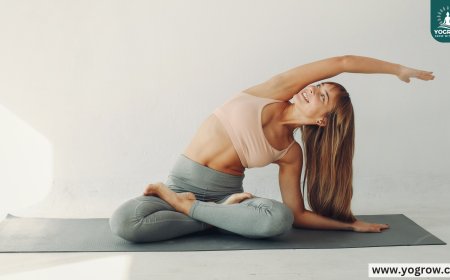
Your lower back supports nearly every movement you make—walking, lifting, bending, and even sitting. It’s no surprise that nearly 80% of adults experience lower back pain at some point in their lives. When discomfort strikes, it can affect not only your mobility but also your mood, productivity, and overall quality of life. This is where a Low Back Rescue Flow, a gentle and healing yoga routine, becomes especially valuable. Practicing yoga for lower back pain helps release muscular tension, improve spinal mobility, and promote mindful breathing—offering a holistic, natural approach to long-term relief that fits seamlessly into modern lifestyles.
Benefits of a Low Back Rescue Flow
1. Releases Tension in Tight Muscles
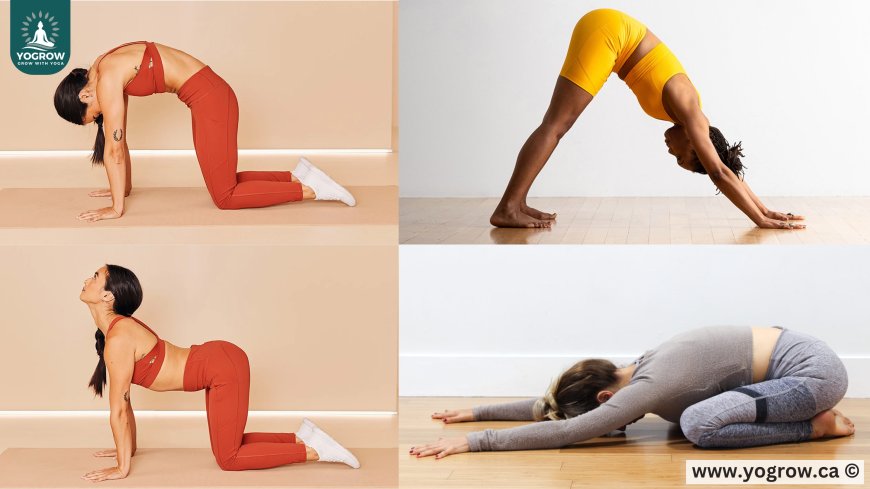
One of the most immediate benefits of a low back rescue flow is its ability to gently stretch muscles that commonly hold tension, including the lumbar spine, hips, hamstrings, and glutes. Prolonged sitting, poor posture, and limited movement can cause these muscles to tighten and weaken over time. Yoga postures such as Cat-Cow, Child’s Pose, and Standing Forward Bend encourage slow, controlled stretching that helps muscles relax without strain.
Research highlighted by Yoga Journal supports yoga as an effective practice for managing lower back pain by improving flexibility and easing muscular stiffness. You can explore more expert-backed insights on yoga for lower back pain through this authoritative guide:
https://www.yogajournal.com/poses/yoga-by-benefit/back-pain/yoga-lower-back-pain/ .
For additional simple stretches that work well alongside a rescue flow, check out this internal guide on back relief yoga poses to loosen tight muscles fast:
https://yogrow.ca/blog/back-relief-yoga-7-simple-poses-to-loosen-tight-muscles-fast-yogrow .
2. Improves Spinal Mobility and Alignment
A healthy spine thrives on movement. Gentle spinal flexion, extension, and rotation—as practiced in yoga—help nourish the discs between the vertebrae and maintain joint mobility. Poses like Cat-Cow and Reclining Spinal Twist support natural spinal movement while avoiding excessive compression.


Over time, a consistent low back rescue flow can help counteract the stiffness caused by long hours of sitting or standing. Improved spinal alignment reduces unnecessary strain on the lower back and supports better posture in daily life. This makes yoga not just a temporary relief tool, but a proactive practice for long-term spinal health.
3. Strengthens Supporting Muscles Safely
While stretching is essential, strengthening the muscles that support the lower back is equally important. Weak core and back muscles can make even simple movements—like lifting groceries or twisting—feel painful. Gentle backbends such as Sphinx Pose engage stabilizing muscles without placing excess stress on the spine.
Unlike high-impact workouts, yoga strengthens muscles through controlled, bodyweight movements. This makes a low back rescue flow especially suitable for people recovering from strain or managing chronic discomfort. With consistent practice, stronger support muscles mean better stability and fewer flare-ups.
4. Reduces Stress and Pain Perception
Lower back pain isn’t just physical—it’s closely tied to stress and nervous system tension. Yoga incorporates slow, deep breathing that activates the parasympathetic nervous system, helping the body relax and reducing pain sensitivity.
According to Healthline, yoga’s combination of mindful movement and breathing can significantly reduce chronic back pain and improve daily functioning. You can read more about the science behind yoga and back pain relief here: https://www.healthline.com/health/fitness-exercise/yoga-for-back-pain .
This mind-body connection is what makes a low back rescue flow uniquely powerful—it doesn’t just treat symptoms, it supports overall well-being.
5. Encourages Safe, Mindful Movement
Unlike aggressive stretching or intense workouts, a low back rescue flow encourages you to move slowly, listen to your body, and stop when something doesn’t feel right. This mindfulness reduces the risk of re-injury and builds body awareness over time.


Yoga teaches you how to move safely in everyday life—bending with awareness, engaging your core, and respecting your limits. These lessons extend far beyond the mat, helping prevent future lower back issues.
Practical Step-by-Step: Low Back Rescue Flow
Before starting, remember: if you have a diagnosed spinal condition, herniated disc, or severe pain, consult a healthcare professional first. Move slowly and focus on comfort rather than depth.
Step 1: Cat–Cow Pose (Marjaryasana–Bitilasana)
Begin on your hands and knees. Inhale as you arch your back and lift your chest (Cow Pose). Exhale as you round your spine and lower your head (Cat Pose). Move slowly with your breath for 6–10 rounds to warm up the spine and increase flexibility.
Step 2: Downward-Facing Dog (Adho Mukha Svanasana)
From Tabletop, tuck your toes and lift your hips back. Bend your knees generously to reduce strain on your lower back. This pose lengthens the entire back body while gently decompressing the spine. Stay for 5–8 deep breaths.
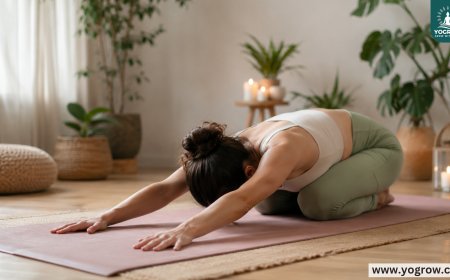
Step 3: Child’s Pose (Balasana)
Lower your knees to the floor and sit back toward your heels. Extend your arms forward and rest your forehead down. This posture offers deep relaxation for the lower back and hips. Stay as long as needed, focusing on slow breathing.
Step 4: Standing Forward Bend (Uttanasana)
Stand with feet hip-width apart, bend your knees, and hinge forward from your hips. Let your upper body hang heavy. Keep your knees bent to protect your lower back. Hold for 5–10 breaths, prioritizing comfort over stretch.
Step 5: Squat Pose (Malasana)
With feet turned slightly outward, bend your knees and lower into a squat. Use a block or folded blanket under your hips if needed. This pose releases tension in the hips and glutes, which directly support the lower back.
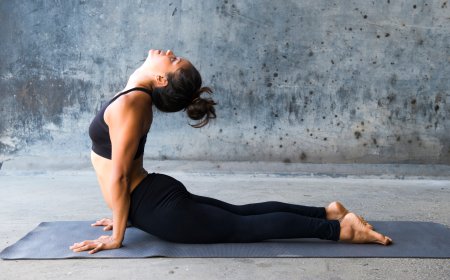
Step 6: Sphinx Pose
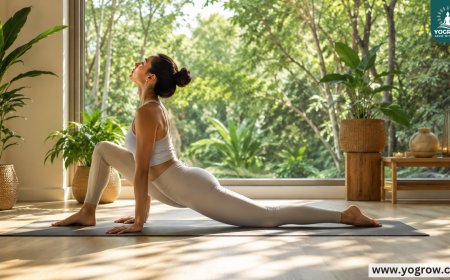
Lie on your belly and prop yourself up on your forearms. Keep your chest open and shoulders relaxed. Sphinx gently strengthens the lower back while improving spinal stability. Hold for 5–10 breaths.
Step 7: Knees-to-Chest Pose (Apanasana)
Lie on your back and draw your knees toward your chest. Hug your shins or thighs and allow your lower back to relax into the floor. Gently rock side to side if it feels good.
Step 8: Reclining Spinal Twist (Supta Matsyendrasana)
With knees bent and feet on the floor, lower both knees to one side while keeping your shoulders grounded. Twists can relieve tension, but move slowly and exit if discomfort arises. Hold briefly and switch sides.
A Low Back Rescue Flow offers a gentle yet powerful way to manage discomfort, improve mobility, and support long-term spinal health. By combining mindful movement, targeted stretching, and calming breathwork, yoga addresses both the physical and mental aspects of lower back pain.
If you’re looking to deepen your practice, explore this related guide on yoga poses that improve spine flexibility and posture for continued support and progression: https://yogrow.ca/blog/10-yoga-poses-that-instantly-improve-spine-flexibility-and-posture-yogrow .
Ready to feel better in your body? Subscribe to Yogrow for more expert-backed yoga insights, explore our blog library, or book a guided session to start your healing journey today.
What's Your Reaction?
 Like
0
Like
0
 Dislike
0
Dislike
0
 Love
0
Love
0
 Funny
0
Funny
0
 Angry
0
Angry
0
 Sad
0
Sad
0
 Wow
0
Wow
0