
The Surprising Benefits of Yoga for Dementia and Alzheimer’s Care
Discover how yoga supports dementia patients and caregivers by improving memory, reducing stress, and enhancing quality of life through gentle movement.

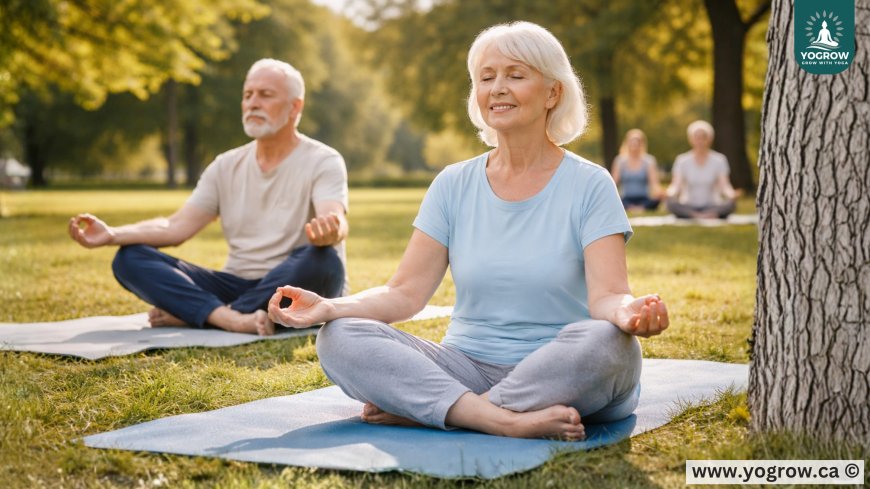
Dementia is more than memory loss—it affects emotions, movement, communication, and overall quality of life. As the number of people living with dementia continues to rise globally, families and caregivers are increasingly searching for supportive, non-invasive ways to improve daily well-being. This is where yoga for dementia patients emerges as a powerful yet gentle tool.
Rooted in mindful movement, breath awareness, and relaxation, yoga supports not only physical health but also emotional and cognitive balance. While dementia—including Alzheimer’s disease—has no known cure, research shows that lifestyle practices like yoga can help slow cognitive decline, reduce anxiety, and improve the overall experience of both patients and caregivers.
Benefits of Yoga for Dementia Patients and Caregivers
Yoga offers a holistic approach that addresses the physical, mental, and emotional challenges associated with dementia. Below are some of the most impactful benefits supported by research and real-world practice.
1. Yoga Helps Regulate Blood Pressure and Brain Health
High blood pressure is a well-established risk factor for stroke and vascular dementia. Over time, hypertension damages blood vessels in the brain, reducing oxygen and nutrient flow essential for cognitive function.
Yoga integrates slow movements, controlled breathing, and meditation—practices shown to lower stress-induced blood pressure. According to research highlighted by the Jindal Naturecure Institute, yoga and pranayama help improve circulation and reduce cardiovascular strain, supporting long-term brain health. Read more about how yoga and pranayama support Alzheimer’s patients on high-authority wellness platforms.


By calming the nervous system, yoga reduces the physiological stress responses that accelerate cognitive decline.
2. Yoga Reduces Stress, Anxiety, and Emotional Distress
Anxiety, agitation, depression, and paranoia are common psychological symptoms of dementia. Elevated stress hormones like cortisol contribute to inflammation and negatively affect the hippocampus—the brain region responsible for memory and learning.
Yoga and meditation are proven to lower cortisol levels, creating a calming effect on the nervous system. Gentle yoga practices encourage parasympathetic activation—the body’s natural “rest and digest” mode—helping individuals feel safer, calmer, and more grounded.
For caregivers, this stress relief is equally vital. Regular yoga practice offers tools to manage emotional exhaustion and prevent burnout, fostering resilience and compassion in long-term care situations.
3. Yoga Encourages Physical Movement and Social Connection
Physical inactivity is strongly linked to cognitive decline. Studies show that individuals who remain physically active are less likely to experience rapid memory loss or functional deterioration.
Yoga is especially beneficial for older adults because it emphasizes flexibility, balance, and joint mobility rather than high-impact movements. These elements help reduce the risk of falls—a major concern for people with dementia.
Even more importantly, group yoga sessions, whether in-person or online, create opportunities for social engagement. Social isolation is a known risk factor for both depression and dementia progression. Participating in a shared yoga experience fosters connection, routine, and a sense of belonging. You can explore how gentle movement builds calm and connection in this related Yogrow article: Yoga for Dementia: How Gentle Movement Brings Calm, Comfort, and Connection .


4. Yoga Keeps the Brain Mentally Engaged
Mental stimulation plays a critical role in slowing cognitive decline. Activities like puzzles, reading, and games are often recommended—but yoga offers an added layer of engagement by combining mental focus with physical awareness.
Learning a new yoga sequence, coordinating breath with movement, or practicing meditation challenges the brain in unique ways. Research suggests yoga enhances neuroplasticity, the brain’s ability to form new neural pathways—even in older adults.
Unlike passive activities, yoga actively engages attention, memory, coordination, and body awareness simultaneously, making it a powerful cognitive exercise.
5. Yoga Improves Sleep Quality
Poor sleep is increasingly recognized as a contributor to dementia risk. Inadequate or disrupted sleep has been linked to the buildup of beta-amyloid plaques—proteins commonly found in the brains of Alzheimer’s patients.
Regular yoga practice helps regulate circadian rhythms, ease nighttime anxiety, and promote deeper, more restorative sleep. Breathing exercises and relaxation techniques calm the mind, making it easier to fall asleep and stay asleep.
Better sleep not only supports memory and cognitive processing but also improves mood, energy levels, and daily functioning.
Can Yoga Help People Already Living with Dementia?
While yoga cannot reverse dementia, growing evidence shows it can significantly improve quality of life for patients and caregivers alike.
According to wellness experts and studies featured on YogaUOnline, yoga supports dementia care by:
-
Improving memory retention and slowing cognitive decline
-
Reducing inflammation and chronic stress
-
Increasing vagal tone and nervous system regulation
-
Enhancing circulation, respiration, and mobility
-
Improving balance and body awareness
-
Supporting emotional regulation and mood stability
For individuals with moderate to advanced dementia, chair yoga is especially effective. Chair-based practices allow safe participation without the need to get down on the floor, improving balance and reducing fall risk.
Mantra meditation has also shown promising results, helping reduce agitation and improve focus through rhythmic repetition and breath synchronization.
Practical Steps: How to Introduce Yoga into Dementia Care
Incorporating yoga into a dementia care plan doesn’t have to be complicated. Here are simple, actionable steps to get started safely.
Step 1: Start with Gentle, Familiar Movements
Choose slow, repetitive movements that feel comfortable and predictable. Avoid complex transitions.
Step 2: Use Chair Yoga When Needed
Chair yoga offers stability, safety, and accessibility—ideal for individuals with balance or mobility challenges.
Step 3: Focus on Breath and Sensory Awareness
Simple breathing exercises and guided relaxation help reduce anxiety and promote calm.
Step 4: Keep Sessions Short and Consistent
Even 10–20 minutes a few times a week can make a meaningful difference.
Step 5: Practice Together
When caregivers participate alongside patients, it strengthens emotional bonds and reduces stress for both.
For practical, evidence-based guidance, you can explore yoga techniques for dementia patients from trusted wellness authorities like YogaUOnline, which highlights research-backed approaches tailored for aging populations.
Conclusion: Yoga as a Path to Comfort, Connection, and Care
Dementia and Alzheimer’s are deeply challenging conditions, affecting not only memory but identity, relationships, and emotional well-being. While there is no cure, yoga offers something profoundly valuable—comfort, dignity, and connection.
Through gentle movement, mindful breathing, and compassionate presence, yoga helps individuals living with dementia feel calmer, safer, and more connected to their bodies and surroundings. For caregivers, it provides essential tools to manage stress, prevent burnout, and nurture resilience.
If you’re looking to explore more calming practices, you may also find value in this Yogrow resource: Yoga for Anxiety Relief: 6 Simple Poses That Calm Your Mind Fast.
Ready to bring more ease and mindfulness into dementia care? Subscribe to the Yogrow blog, explore our gentle yoga sessions, or share your experience in the comments—we’d love to hear from you.
What's Your Reaction?
 Like
0
Like
0
 Dislike
0
Dislike
0
 Love
0
Love
0
 Funny
0
Funny
0
 Angry
0
Angry
0
 Sad
0
Sad
0
 Wow
0
Wow
0