

Unlock Pain-Free Movement: How Yoga Transforms Joint Health and Mobility
Improve flexibility, reduce joint pain, and increase mobility with gentle yoga. Discover Yogrow’s breathwork and yoga techniques for healthy joints at any age.


Just like good oral hygiene prevents tooth decay, consistent movement keeps your joints strong, flexible, and pain-free. Yoga for joint health is one of the most effective, low-impact ways to preserve mobility and reduce stiffness as we age. With its focus on mindful movement, breath, and alignment, yoga provides gentle yet powerful support for the knees, hips, shoulders, and spine—helping you move with ease every day.
If you’ve ever experienced joint discomfort or simply want to protect your mobility, yoga can meet you where you are. Whether you prefer standing, seated, or even chair-based postures, there’s a yoga practice designed just for you.
Benefits of Yoga for Joint Health
1. Increases Flexibility and Range of Motion
One of the first things people notice when they start yoga is how it helps joints move more freely. The gentle stretching in yoga increases the production of synovial fluid, the natural lubricant in your joints, which reduces stiffness and enhances range of motion.
When practiced regularly, poses like Triangle Pose and Warrior Pose keep the muscles and tendons around your joints supple and strong, preventing wear and tear caused by inactivity.
According to experts at Johns Hopkins Arthritis Center , yoga can even benefit those with arthritis by improving flexibility and supporting joint stability through safe, adaptive movements.
2. Reduces Joint Pain and Inflammation
Yoga encourages mindful movement and conscious breathing, both of which reduce stress—a known trigger for inflammation in the body. Breathing techniques taught in Yogrow’s mindful yoga sessions calm the nervous system and support the body’s natural healing response.
Gentle poses like Bridge Pose and Bow Pose stimulate circulation and release tension in the muscles surrounding the joints, allowing nutrients and oxygen to reach affected areas.


If you’re struggling with chronic discomfort, explore related practices like Healing Yoga for Injuries: Restore Your Body and Mind to learn how restorative postures can ease pain and speed up recovery.
3. Strengthens the Muscles Supporting Your Joints
Strong muscles are crucial for healthy joints. Yoga strengthens stabilizing muscles—particularly around the knees, hips, and shoulders—so that your joints don’t have to absorb as much stress during daily activities.
Poses such as Dolphin Plank and Warrior II engage your core and leg muscles, creating a balanced distribution of body weight. Over time, this reduces the strain on joints and improves posture.
Yoga also helps retrain your body to move efficiently, aligning the skeleton properly and minimizing the risk of joint misalignment or injury.
4. Improves Circulation and Joint Lubrication
Movement is medicine for the joints, and yoga promotes optimal blood flow to connective tissues. This not only helps transport oxygen and nutrients but also aids in removing toxins that cause stiffness.
Simple movements like ankle rolls, wrist rotations, or seated knee swings are examples of subtle yoga, which can be practiced even while sitting. These gentle exercises keep joints lubricated, especially for those who spend long hours at a desk.
As highlighted by The Art of Living , regular yoga practice enhances joint flexibility and keeps your body youthful and agile at any age.
5. Encourages Mind-Body Awareness and Pain Management
Yoga isn’t just physical—it’s deeply mindful. By combining breath and movement, yoga cultivates awareness of how your body feels in each posture. This awareness helps you notice early signs of joint strain and make adjustments before pain develops.
Breathing practices from Yogrow’s guided breathwork programs can improve emotional well-being, reducing the mental stress often linked to chronic pain. These breathing sessions are designed to help you reconnect with your body, calm your mind, and relieve tension naturally.
Practical Steps: Gentle Yoga Practices for Healthy Joints
1. Warm-Up with Subtle Movements
Start your practice with small, circular movements to awaken your joints.


-
Roll your wrists and ankles slowly to release stiffness.
-
Gently rotate your neck and shoulders.
-
Swing your lower legs while seated to lubricate the knees.
Even these simple actions stimulate synovial fluid—the body’s natural joint moisturizer—and prepare you for deeper stretches.
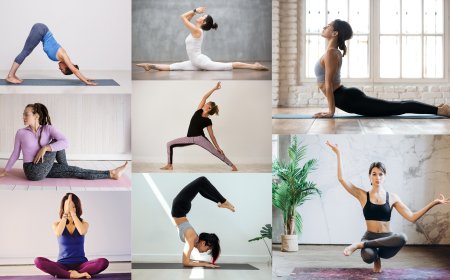
2. Warrior Pose (Virabhadrasana) – Build Stability
- Stand tall with your feet 3–4 feet apart.
- Turn your right foot outward 90 degrees and your left foot slightly inward.
- Lift both arms to shoulder height and bend your right knee, keeping it aligned with your ankle.
- Hold the pose for several breaths, feeling your leg muscles engage and your joints strengthen.
- Repeat on the left side.
- This pose builds endurance and balance while strengthening the legs and hips.
3. Bridge Pose (Setu Bandhasana) – Strengthen Knees and Back
- Lie on your back with knees bent and feet flat, hip-width apart.
- As you inhale, lift your hips off the floor, pressing into your shoulders and feet.
- Engage your thighs and glutes while maintaining steady breath.
- This pose strengthens the muscles around the knees and spine, supporting overall joint integrity.
4. Triangle Pose (Trikonasana) – Open Hips and Shoulders
- Stand with your feet wide apart.
- Turn your right foot outward and left foot slightly inward.
- Extend your arms and bend at the waist to reach toward your shin or ankle.
- Keep your upper arm extended toward the sky.
- This pose stretches the hamstrings, opens the hips, and releases tension in the spine.
5. Camel Pose (Ustrasana) – Enhance Spinal Flexibility
- Kneel on the mat with knees hip-width apart.
- Place your hands on your lower back for support.
- As you inhale, gently arch your back and slide your hands down to your heels.
- Avoid straining your neck—keep it neutral.
- This pose increases flexibility in the spine, strengthens the back, and improves posture.
6. Dolphin Plank – Strengthen Shoulders and Core
- Begin in a plank position and lower your forearms to the mat.
- Keep your shoulders aligned above your elbows.
- Engage your core and hold for several breaths.
- This pose builds strength in the shoulders, arms, and legs while improving joint stability.
7. Chair or Seated Yoga for Accessibility
If you have limited mobility or arthritis, yoga can still fit your needs.
-
Perform gentle spinal twists in a chair to maintain flexibility.
-
Try shoulder shrugs or neck rotations to release tension.
-
Use yoga blocks, straps, or walls for support during poses.
Remember, yoga should never cause pain. Listen to your body, and ease out of any pose that feels uncomfortable.
Safety Tips for Practicing Yoga with Joint Pain
-
Consult your doctor if you have arthritis, osteoarthritis, or any chronic joint condition before starting a new routine.
-
Use props such as blocks, cushions, or bolsters to avoid straining joints.
-
Maintain slow, steady breathing to prevent overexertion.
-
Warm up before every session and cool down afterward.
-
Focus on alignment—proper form protects your joints and maximizes benefits.
For more ways to manage chronic discomfort safely, check out Struggling with Chronic Pain? Discover How Gentle Yoga Heals the Body and Mind.
Enhance Your Joint Health with Yogrow’s Guided Breathwork
At Yogrow, we believe that the breath is the bridge between body and mind. Our guided breathwork sessions help you improve oxygen flow, calm your nervous system, and reduce inflammation naturally.
You can join a free Yogrow online session to experience how breathing techniques combined with gentle yoga postures restore flexibility, mobility, and energy. Each session is led by experienced Yogrow instructors focused on improving holistic joint health.
Conclusion: Nurture Your Joints, Nurture Your Life
Yoga offers far more than flexibility—it provides a lifelong tool for joint preservation, pain management, and graceful aging. From gentle stretches to mindful breathwork, yoga reconnects you to your body’s natural wisdom and resilience.
Whether you practice daily or just a few times a week, the key is consistency and self-awareness. Start slowly, adapt poses to your comfort, and allow your body to unfold naturally.
For more insights on healing through mindful movement, visit our blog Struggling with Chronic Pain? Discover How Gentle Yoga Heals the Body and Mind. Explore beginner-friendly sessions designed to help you reclaim your mobility, relieve pain, and restore balance—one pose at a time.
What's Your Reaction?
 Like
0
Like
0
 Dislike
0
Dislike
0
 Love
0
Love
0
 Funny
0
Funny
0
 Angry
0
Angry
0
 Sad
0
Sad
0
 Wow
0
Wow
0