
Conscious Movement Yoga: How Breath Transforms Balance and Focus
Discover how conscious movement yoga unites breath and balance to enhance energy, reduce stress, and deepen mind-body awareness through mindful breathing.

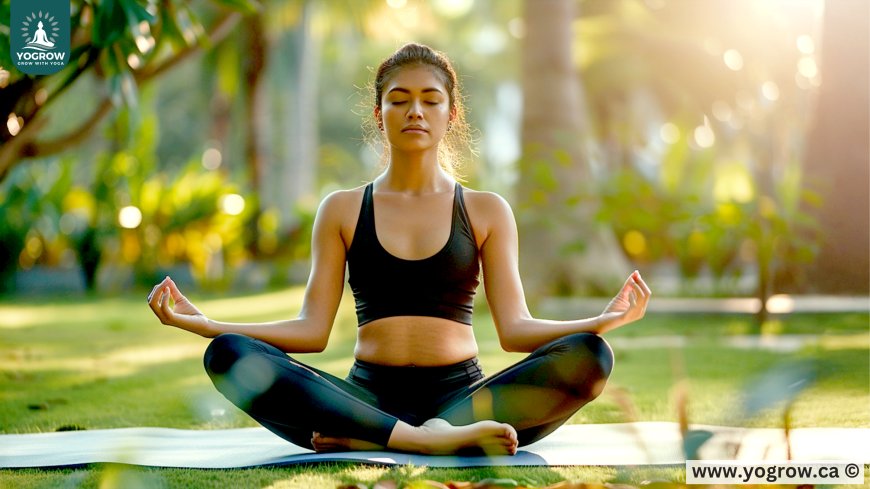
In today’s fast-paced world, yoga offers more than physical flexibility—it provides a pathway back to balance, awareness, and inner calm. Conscious Movement Yoga, where breath and movement flow as one, lies at the heart of this transformation. At the center of this practice is breath, the quiet yet powerful force that connects the body and mind.
When breath is consciously synchronized with movement, yoga becomes a moving meditation rather than a sequence of poses. This intentional coordination enhances physical alignment, calms the nervous system, and deepens mindfulness. Understanding the role of breath in yoga is essential for anyone seeking a more meaningful, balanced, and sustainable practice—on and off the mat.
Benefits of Conscious Movement Yoga
1. Enhances Physiological Health Through Optimal Breathing
Breath is the foundation of life, and in yoga, its influence on physical health is profound. Conscious breathing techniques, commonly referred to as pranayama, significantly improve oxygen intake and circulation throughout the body. Deep, rhythmic breathing enhances lung capacity and supports efficient oxygen exchange at the cellular level.
This improved oxygenation fuels muscles, organs, and tissues, leading to increased stamina and faster recovery after physical exertion. It also supports cardiovascular health by regulating heart rate and improving circulation. Over time, practitioners often experience enhanced energy levels and reduced fatigue, making conscious movement yoga an effective tool for overall physical vitality.
Additionally, controlled breathing activates the parasympathetic nervous system, which plays a crucial role in stress reduction. This physiological response helps lower cortisol levels, the hormone associated with chronic stress, creating a sense of calm and balance within the body. As explored in this guide on the power of breath and movement synchronization, breath-led yoga practices support both immediate relaxation and long-term health benefits:
Power of Breath: How to Synchronize Breathing with Yoga Poses – Gaia Flow Yoga
https://gaiaflowyoga.com/power-of-breath-how-to-synchronize-breathing-with-yoga-poses/.

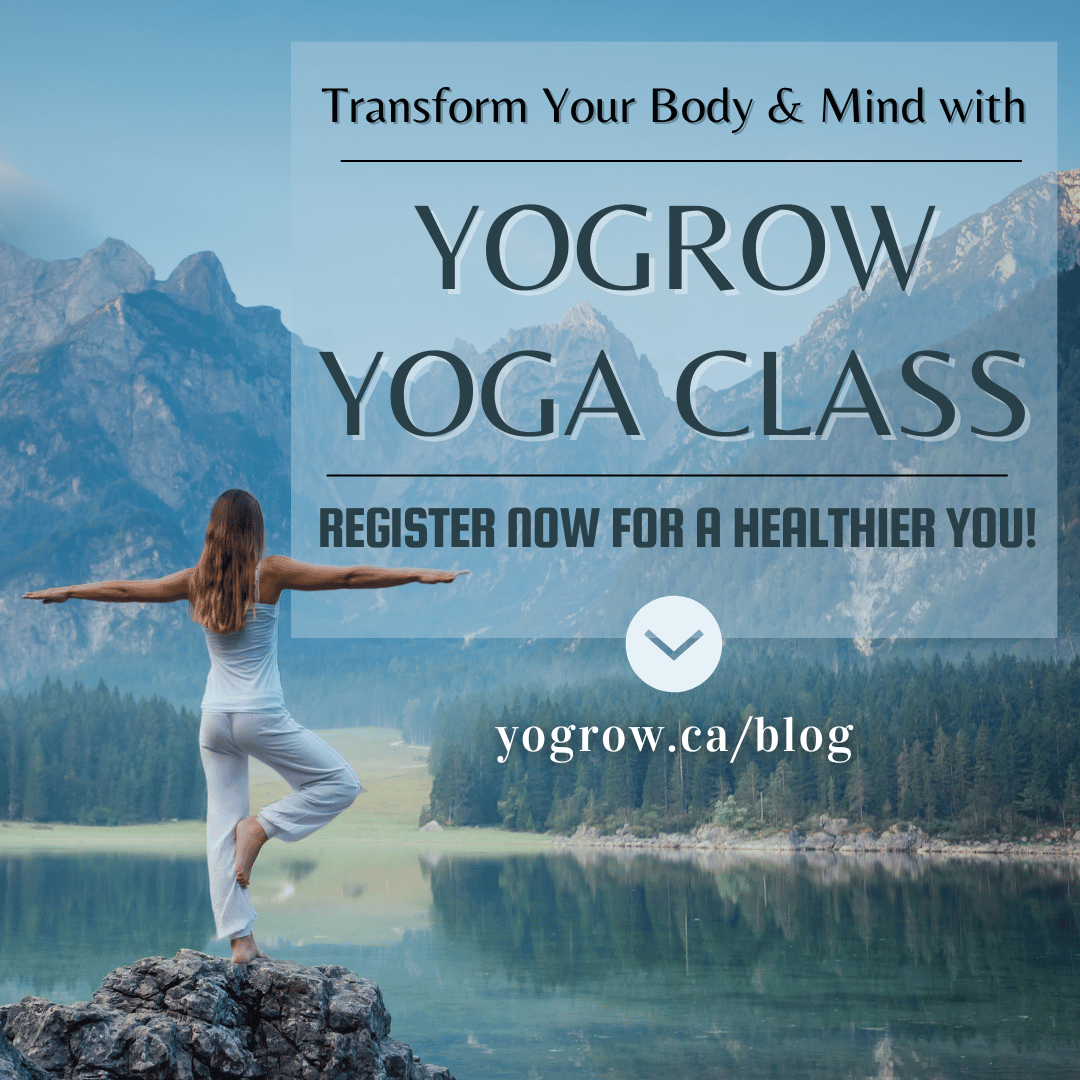
2. Strengthens the Mind-Body Connection
One of the most powerful benefits of conscious movement yoga is the deepening of the mind-body connection. When attention is placed on the breath, the mind naturally anchors itself in the present moment. This awareness quiets mental chatter and allows practitioners to experience each posture with intention and clarity.
Synchronizing breath with movement creates a rhythmic flow that enhances concentration and mindfulness. Each inhale and exhale becomes a guide, helping the body move with awareness rather than habit. This mindful engagement supports improved posture, better balance, and more precise alignment in every pose.
As breath awareness grows, practitioners develop a heightened sensitivity to their body’s signals. This allows for safer practice, intuitive adjustments, and a deeper understanding of personal limits and strengths. For a deeper exploration of how mindfulness through yoga can positively impact mental well-being, explore this internal resource:
How mindful yoga can transform your mental health : https://yogrow.ca/blog/discover-how-mindful-yoga-can-transform-your-mental-health-today-yogrow .
3. Supports Healthy Energy Flow (Prana)
In yogic philosophy, breath is more than air—it is Prana, the vital life force that sustains physical, mental, and emotional health. Prana flows through subtle energy pathways known as nadis, and conscious breathing helps regulate and balance this flow.
When breath is shallow or erratic, energy flow becomes restricted, leading to fatigue, tension, and mental restlessness. Conscious movement yoga uses mindful breathing techniques to stimulate and distribute prana evenly throughout the body. This balanced energy flow enhances vitality, emotional stability, and inner harmony.
Breath-led movement also helps clear energetic blockages, allowing practitioners to feel lighter, more focused, and emotionally grounded. Over time, this energetic balance supports resilience, helping individuals respond to life’s challenges with greater ease and clarity.
4. Improves Posture, Stability, and Injury Prevention
Proper breathing plays a crucial role in maintaining alignment and stability during yoga practice. When breath and movement are synchronized, core muscles naturally engage, supporting the spine and improving posture. This engagement helps distribute weight evenly and reduces unnecessary strain on joints and muscles.


In challenging poses, mindful breathing provides stability and control. Slow, steady breaths help prevent overexertion, allowing the body to move safely and efficiently. This conscious approach significantly reduces the risk of injury while enhancing the effectiveness of each posture.
Breath awareness also supports balance by calming the nervous system. A steady breath promotes focus and steadiness, making it easier to hold poses with confidence and control.
5. Promotes Mental Clarity and Emotional Balance
Beyond physical benefits, conscious movement yoga offers powerful mental and emotional rewards. The rhythmic nature of synchronized breathing creates a meditative state that soothes the mind and enhances clarity. As attention shifts from external distractions to internal awareness, stress levels decrease and emotional regulation improves.
This mindful breathing practice encourages a sense of inner calm, helping practitioners release tension and cultivate emotional resilience. Over time, this clarity extends beyond the mat, supporting improved focus, better decision-making, and a greater sense of well-being in daily life.
Practical Steps to Synchronize Breath with Movement
Integrating breath awareness into your yoga routine does not require advanced techniques—just intention and consistency. Below are practical steps to help you cultivate conscious movement yoga in your daily practice.
Step 1: Begin with Mindful Breathing
Before starting your practice, take a few minutes to observe your natural breath. Inhale slowly through the nose and exhale fully, allowing the breath to settle. This prepares the nervous system and brings awareness inward.
Step 2: Match Breath to Movement
As a general guideline, inhale during movements that expand or lengthen the body and exhale during movements that contract or release. This creates a smooth, rhythmic flow that supports balance and mindfulness.
Step 3: Use Foundational Breathing Techniques
-
Ujjayi Breath: Gentle nasal breathing with a slight throat constriction to maintain focus and rhythm
-
4-4-6-2 Breathing: Inhale for 4 counts, hold for 4, exhale for 6, hold for 2
-
Alternate Nostril Breathing: Balances energy and calms the mind
Step 4: Practice Guided Sequences
-
Sun Salutations: Coordinate each reach, fold, and extension with breath
-
Flowing Warrior Series: Move through Warrior I, II, and III using inhale-exhale patterns
-
Cat-Cow Pose: Inhale into Cow, exhale into Cat to establish breath-movement awareness
Step 5: Carry Breath Awareness Off the Mat
Practice mindful breathing during daily activities such as walking, sitting, or working. This reinforces awareness and makes breath control second nature. For deeper insight into breath-centered movement meditation, this Yoga Journal resource offers expert guidance:
Movement Meditation: Centering Through Breath :
https://www.yogajournal.com/meditation/meditation-classes/movement-meditation-centering-breath/ .
Conscious movement yoga reveals that breath is far more than a support tool—it is the bridge between balance, awareness, and inner calm. By synchronizing breath with movement, practitioners unlock smoother transitions, improved alignment, balanced energy, and a calmer mind. Whether you are new to yoga or deepening an existing practice, focusing on breath can transform your experience into a meditative, healing journey. This intentional connection nurtures not only physical strength but also emotional resilience and mental clarity. To continue exploring how yoga supports relaxation and nervous system health, we invite you to read:
Yoga for inner ease: a simple way to relax your nervous system :
https://yogrow.ca/blog/yoga-for-inner-ease-a-simple-way-to-relax-your-nervous-system-yogrow.
Ready to deepen your practice?
Explore more mindful yoga insights on Yogrow.ca, book a guided session, or share your experience in the comments. Let your breath lead the way to balance, presence, and lasting well-being.
What's Your Reaction?
 Like
0
Like
0
 Dislike
0
Dislike
0
 Love
0
Love
0
 Funny
0
Funny
0
 Angry
0
Angry
0
 Sad
0
Sad
0
 Wow
0
Wow
0