
Feeling Mentally Drained? Discover the Power of Yoga Stillness
Discover how yoga for mental harmony reduces stress, balances emotions, and restores inner peace through mindful movement, breathwork, and stillness.

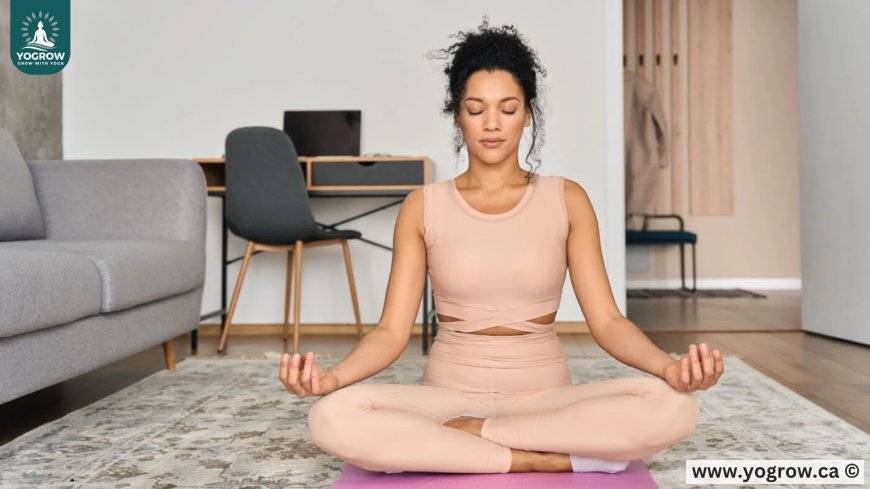
In a world that never slows down, finding true mental calm can feel almost impossible. Constant notifications, emotional overload, and daily stress pull the mind in countless directions, leaving many people feeling restless and overwhelmed. Yoga for mental harmony offers a powerful yet gentle way to reconnect with stillness, helping the mind settle into balance and clarity.
Rather than forcing relaxation, yoga works by aligning breath, movement, and awareness, allowing peace to emerge naturally. Through mindful postures, conscious breathing, and meditative focus, yoga creates space for emotional balance, mental clarity, and inner calm. In today’s fast-paced lifestyle, practicing yoga for mental harmony isn’t a luxury—it’s an essential tool for emotional resilience and long-term well-being.
Benefits of Yoga for Mental Harmony
Yoga is much more than physical exercise. Its true power lies in its ability to calm the nervous system, regulate emotions, and cultivate inner peace. Below are some of the most profound benefits of yoga for mental harmony.
1. Reduces Stress and Calms the Nervous System
One of the most immediate benefits of yoga for mental harmony is stress reduction. Gentle postures combined with deep breathing activate the parasympathetic nervous system—the body’s natural “rest and digest” response. This helps lower cortisol levels, slow the heart rate, and ease mental tension.
When practiced regularly, yoga teaches the body how to shift out of chronic stress mode. Even simple poses and breathing exercises can create a noticeable sense of calm within minutes. According to yogic experts, slow and mindful postures paired with conscious breathing can significantly reduce mental agitation and emotional fatigue, making yoga a reliable tool for stress relief and inner peace.

For those seeking deeper energetic balance alongside mental calm, exploring yoga for inner harmony and energy alignment can further enhance emotional stability and clarity.
2. Improves Emotional Balance and Self-Awareness
Mental harmony isn’t about suppressing emotions—it’s about understanding and regulating them. Yoga creates a safe space to observe thoughts and feelings without judgment. Over time, this awareness helps practitioners respond to emotional triggers with clarity instead of reactivity.
Through mindful movement and breath awareness, yoga teaches emotional regulation by strengthening the connection between mind and body. As awareness deepens, emotions feel less overwhelming, and inner balance becomes easier to maintain. This emotional steadiness supports healthier relationships, improved decision-making, and greater self-confidence in everyday life.
Yoga traditions emphasize that emotional balance comes from inner awareness rather than external control. Practices focused on mindfulness and stillness gently guide practitioners toward this emotional clarity and self-understanding.
3. Enhances Mental Clarity and Focus
A restless mind struggles to concentrate, often jumping from one thought to another. Yoga helps slow this mental chatter, creating space for clarity and focus. By synchronizing breath with movement, the mind learns to stay present rather than dwelling on past worries or future anxieties.
Many practitioners report improved concentration, sharper memory, and better problem-solving skills after consistent yoga practice. This mental clarity doesn’t just benefit meditation—it enhances productivity, creativity, and daily decision-making.
Research and traditional yogic teachings alike suggest that mindful yoga practices improve attention span by calming the fluctuations of the mind. These benefits extend beyond the mat, supporting clearer thinking throughout the day.


4. Supports Emotional Healing and Inner Peace
Yoga for mental harmony is deeply restorative, offering emotional healing through gentle self-connection. Certain postures help release stored emotional tension held in the hips, shoulders, and spine—areas commonly associated with stress and unresolved emotions.
As physical tension dissolves, emotional blockages often soften as well. This process fosters a sense of lightness, acceptance, and inner peace. Many people experience emotional release during yoga sessions, followed by a profound sense of calm and grounding.
Practices rooted in stillness and breathwork encourage emotional healing by allowing suppressed feelings to surface safely. Over time, this creates lasting emotional freedom and a deeper sense of inner harmony. For additional insights on relaxing yoga postures that promote peace, this guide on relaxing yoga poses for inner calm offers valuable perspective from experienced practitioners.
5. Promotes Long-Term Mental Well-Being
Unlike quick fixes, yoga supports sustainable mental health. Regular practice builds emotional resilience, helping individuals navigate life’s challenges with calm and balance. Yoga strengthens mindfulness skills that prevent stress from accumulating, making it easier to maintain mental harmony even during demanding times.
Over the long term, yoga can reduce symptoms of anxiety, improve mood stability, and enhance overall emotional well-being. Its holistic approach addresses not just the mind, but the body and breath as interconnected systems. This integrative practice supports lifelong mental wellness rooted in awareness, balance, and inner peace.
Practical Steps to Practice Yoga for Mental Harmony
Creating mental harmony through yoga doesn’t require complex routines or advanced postures. Consistency, intention, and awareness matter far more than intensity. Below is a simple step-by-step approach you can follow.
Step 1: Create a Calm and Intentional Space
Choose a quiet, clutter-free area where you can practice without distractions. Soft lighting, natural light, or calming music can help set a peaceful atmosphere. Creating a dedicated space signals the mind that it’s time to slow down and turn inward.
Step 2: Begin with Conscious Breathing
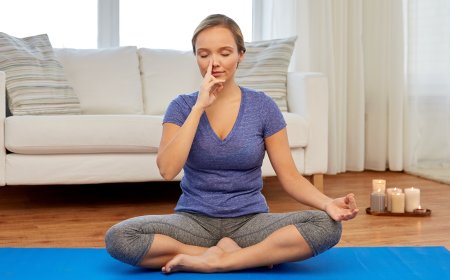
Start your practice with deep, slow breathing. Inhale through the nose, expanding the belly, and exhale slowly to release tension. Even five minutes of mindful breathing can calm the nervous system and prepare the mind for stillness.
Step 3: Move Through Gentle, Mindful Poses
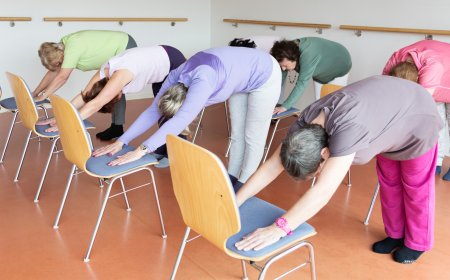
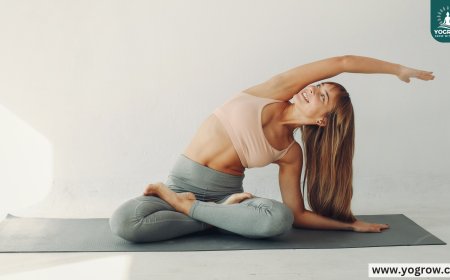
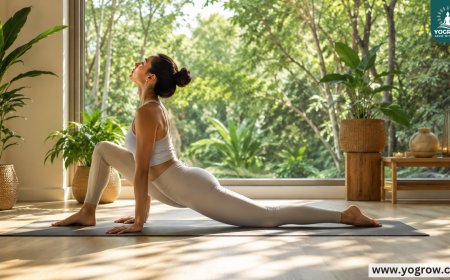
Focus on slow, grounding postures rather than fast or intense sequences. Poses such as seated forward folds, gentle twists, and restorative shapes help relax the body and quiet the mind. Move with awareness, letting breath guide each transition.
Step 4: Incorporate Moments of Stillness
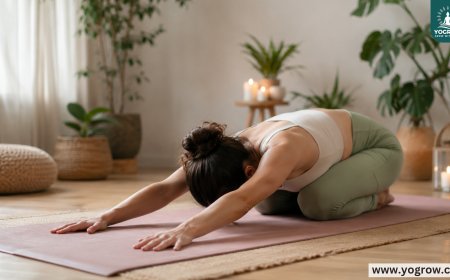
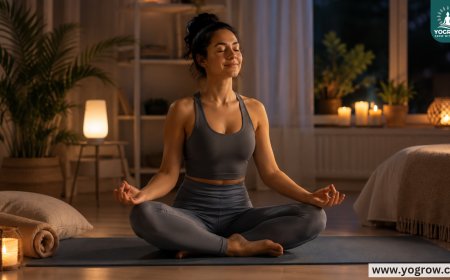
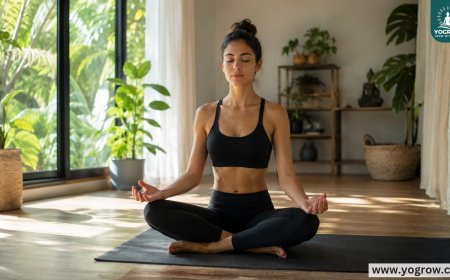
Stillness is essential for mental harmony. After moving, spend time in a resting pose or seated meditation. Observe the breath and notice sensations without trying to change them. This practice strengthens mindfulness and inner awareness.
Step 5: End with Reflection or Meditation
Close your session with a short meditation or reflection. Set an intention for calm and balance throughout your day. Regular reflection deepens the mental benefits of yoga and helps integrate peace into daily life.
For a deeper understanding of how yoga supports a harmonious lifestyle beyond the mat, this resource on yogic living and mental harmony provides valuable guidance rooted in traditional wisdom.
Yoga for mental harmony offers a gentle yet powerful path toward inner peace, emotional balance, and lasting well-being. By calming the nervous system, improving emotional awareness, and cultivating stillness, yoga helps the mind find clarity in a noisy world. With regular practice, mental harmony becomes not just a temporary feeling, but a sustainable way of living.
If you’re looking to deepen your journey, explore how mindful movement can transform emotional health through mindful yoga practices for mental well-being on Yogrow.ca.
Ready to experience mental harmony for yourself?
Join a guided yoga session, subscribe to our wellness updates, or explore more mindful living blogs on Yogrow.ca. Your path to peace begins with one mindful breath.
What's Your Reaction?
 Like
0
Like
0
 Dislike
0
Dislike
0
 Love
0
Love
0
 Funny
0
Funny
0
 Angry
0
Angry
0
 Sad
0
Sad
0
 Wow
0
Wow
0