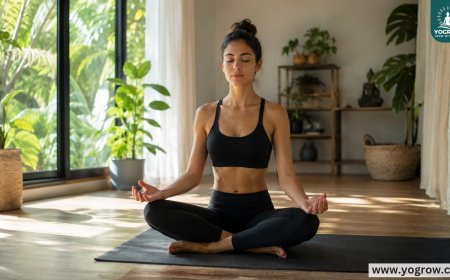

Hormone-Balancing Yoga: The Ultimate Guide for Women’s Wellness
Discover yoga for hormone regulation and women's wellness. Learn practices that support hormonal balance, reduce stress, and improve overall health.

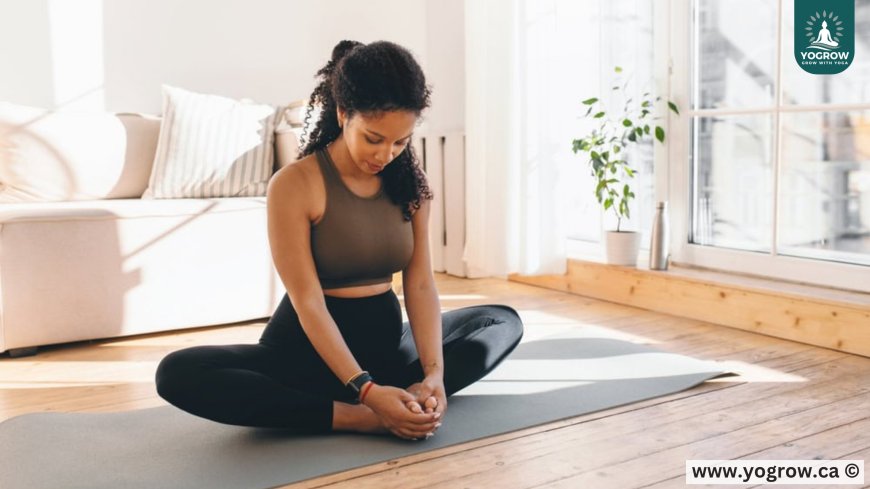
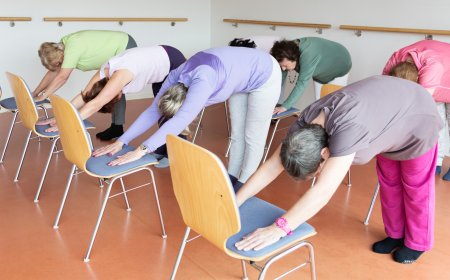
Hormonal imbalances can significantly impact a woman’s physical and emotional well-being. Incorporating yoga for hormone regulation into your daily routine is a natural, effective way to support endocrine health and enhance overall wellness. In today’s fast-paced world, stress, poor diet, and lifestyle factors often disrupt hormonal balance, making mindful practices like yoga more relevant than ever. This guide explores how targeted yoga practices can help regulate hormones, improve mood, and promote long-term health.
Benefits of Yoga for Hormone Regulation
1. Reduces Stress and Cortisol Levels
Stress is a major disruptor of hormonal balance. Yoga practices, including deep breathing and meditation, help calm the nervous system and lower cortisol levels. Studies indicate that consistent yoga can reduce stress-related hormonal fluctuations, improving overall endocrine function Yoga Institute.
2. Supports Thyroid Health
Certain yoga poses stimulate the thyroid gland, which regulates metabolism and energy levels. Poses like Sarvangasana (Shoulder Stand) and Matsyasana (Fish Pose) enhance blood flow to the thyroid, promoting optimal hormonal activity. For a focused approach to thyroid support, explore dedicated routines that integrate gentle stretches and breathing exercises.
3. Enhances Reproductive Hormone Balance
Yoga can positively influence reproductive hormones such as estrogen and progesterone, supporting menstrual cycle regularity and fertility. Movements that open the hips, improve circulation, and release tension help maintain hormonal harmony. Learn more about yoga for PCOS and hormonal balance in our detailed guide on Yogrow.
4. Improves Insulin Sensitivity and Metabolism
Hormonal regulation is closely tied to metabolic health. Yoga postures combined with mindful breathing enhance insulin sensitivity, aid digestion, and balance blood sugar levels. Women with PCOS, in particular, may benefit from these holistic practices that complement medical treatments.


5. Promotes Emotional Stability
Balanced hormones contribute to better mood regulation. Yoga encourages relaxation, reduces anxiety, and supports emotional resilience. Techniques like pranayama and restorative yoga activate the parasympathetic nervous system, creating a natural equilibrium between mind and body .
Practical Steps for Hormonal Yoga
Step 1: Start with Mindful Breathing
Practice deep diaphragmatic breathing or alternate nostril breathing for 5–10 minutes daily. This helps regulate stress hormones and sets the tone for your yoga session.
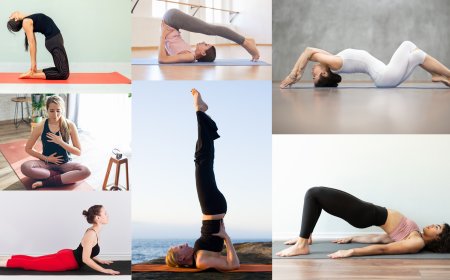
Step 2: Include Hormone-Stimulating Poses
Incorporate poses like:
- Sarvangasana (Shoulder Stand)
- Matsyasana (Fish Pose)
- Setu Bandhasana (Bridge Pose)
- Baddha Konasana (Bound Angle Pose)
Hold each pose for 30–60 seconds, focusing on steady breathing.
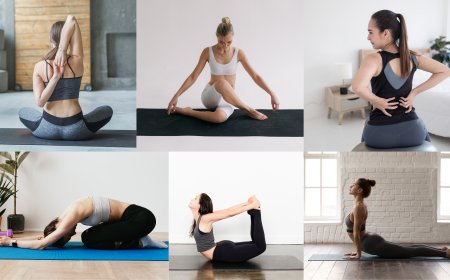
Step 3: Integrate Hip-Opening Movements
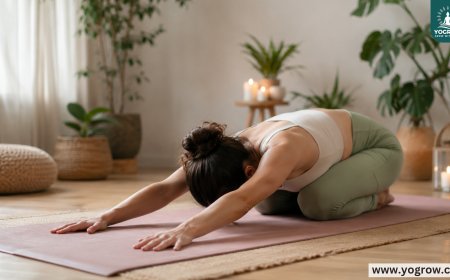
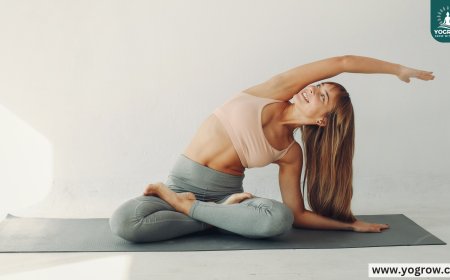
Hip-openers like Pigeon Pose or Butterfly Pose support reproductive hormone balance and relieve tension stored in the pelvic region.
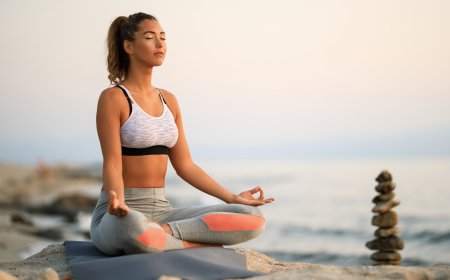
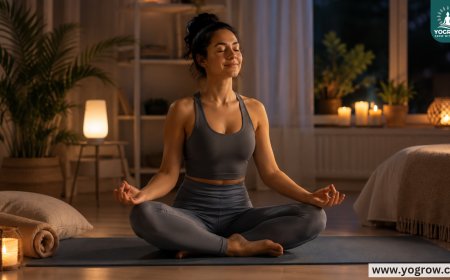
Step 4: Practice Meditation or Guided Relaxation
Spend 10–15 minutes in meditation or Savasana to lower cortisol and support overall hormonal balance.
Step 5: Maintain Consistency and Lifestyle Alignment
Combine yoga with a balanced diet, adequate sleep, and hydration. Consistency is key to long-term hormonal wellness. For practical guidance, explore comprehensive yoga habits for managing PCOS naturally in our Yogrow guide.


Incorporating yoga for hormone regulation offers women a natural, effective way to restore balance, reduce stress, and support reproductive and metabolic health. With consistent practice, these movements can enhance both physical and emotional well-being.
Explore more strategies to maintain hormonal health and embrace a holistic lifestyle by visiting our PCOS and yoga guide . Start your journey today—book a session, subscribe for wellness tips, or share your favorite yoga practice in the comments below!
What's Your Reaction?
 Like
0
Like
0
 Dislike
0
Dislike
0
 Love
0
Love
0
 Funny
0
Funny
0
 Angry
0
Angry
0
 Sad
0
Sad
0
 Wow
0
Wow
0