
The Calm-First Yoga Method That’s Transforming PCOS Wellness
Discover the Calm-First Yoga Method for PCOS wellness. Learn how gentle yoga helps balance hormones, reduce stress, and improve overall health naturally.

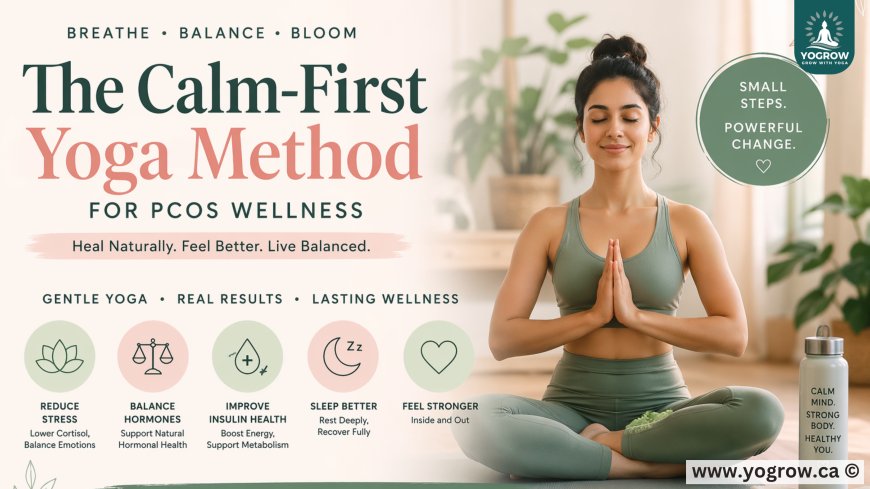
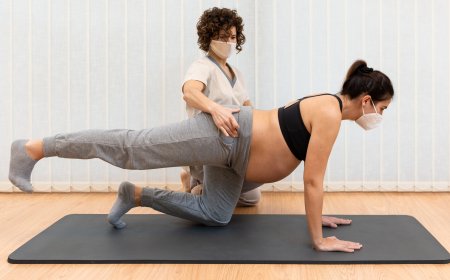
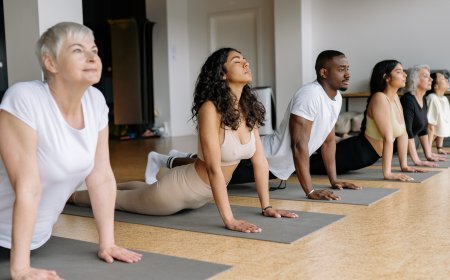
PCOS is not just a hormonal condition—it’s deeply connected to stress, lifestyle, and emotional balance. The Calm-First Yoga Method for PCOS Wellness focuses on slowing down before speeding up, helping your body heal from within. In today’s fast-paced world, where stress directly impacts hormone health, this gentle and mindful approach is more relevant than ever. Instead of intense workouts that may worsen symptoms, calm-first yoga prioritizes relaxation, breathwork, and nervous system regulation—creating a strong foundation for long-term hormonal balance and overall well-being.
Benefits of the Calm-First Yoga Method for PCOS Wellness
1. Reduces Cortisol and Stress Hormones
One of the biggest contributors to PCOS symptoms is elevated cortisol, the stress hormone. The calm-first yoga method emphasizes slow movements, deep breathing, and restorative poses that activate the parasympathetic nervous system.
When your body shifts from “fight or flight” to “rest and digest,” hormone production begins to stabilize. Chronic stress can disrupt ovulation and insulin sensitivity, but calming yoga practices help reverse this cycle naturally. Research-backed yoga programs, like those discussed in this high-authority PCOS yoga workshop https://theyogainstitute.org/pcod-pcos-wellness-workshop, highlight how stress reduction directly supports hormonal balance.
2. Supports Hormonal Balance Naturally
Unlike high-intensity workouts that can sometimes increase stress in women with PCOS, calm-first yoga works gently with your endocrine system. Specific poses stimulate glands like the thyroid, ovaries, and adrenal glands, promoting natural hormone regulation.
If you want a deeper understanding of how yoga directly impacts hormone health, explore this comprehensive guide on hormone-balancing yoga for women’s wellness:
https://yogrow.ca/blog/hormone-balancing-yoga-the-ultimate-guide-for-womens-wellness-yogrow.By practicing consistently, you allow your body to restore its natural rhythm without forcing change.

3. Improves Insulin Sensitivity
Insulin resistance is a common issue in PCOS, often leading to weight gain and fatigue. Calm-first yoga improves blood circulation, supports metabolism, and enhances the body’s ability to use insulin effectively.
Gentle stretches and mindful movements may seem simple, but they activate muscles and improve glucose uptake without overloading the body. This makes calm yoga especially beneficial for women who feel exhausted by intense exercise routines.
4. Enhances Emotional Well-being and Mental Clarity
PCOS is not only physical—it can affect mood, confidence, and mental clarity. Anxiety, mood swings, and even depression are common symptoms.
Calm-first yoga incorporates mindfulness and breath awareness, helping you reconnect with your body. Over time, this builds emotional resilience and reduces anxiety. The practice teaches you to listen to your body instead of fighting it, creating a healthier relationship with yourself.
5. Promotes Better Sleep and Recovery
Poor sleep can worsen PCOS symptoms, including weight gain and hormonal imbalance. Calm-first yoga helps regulate your sleep cycle by calming the nervous system before bedtime.
Relaxation techniques such as Yoga Nidra and deep breathing prepare your body for restorative sleep. Better sleep leads to improved hormone function, energy levels, and overall wellness.
Step-by-Step Guide: How to Practice the Calm-First Yoga Method
Step 1: Start with Breath Awareness (Pranayama)
Begin your session with slow, deep breathing. Focus on inhaling through the nose and exhaling slowly. Techniques like diaphragmatic breathing or alternate nostril breathing help calm the mind and reduce cortisol levels.


Step 2: Practice Gentle Warm-Up Movements
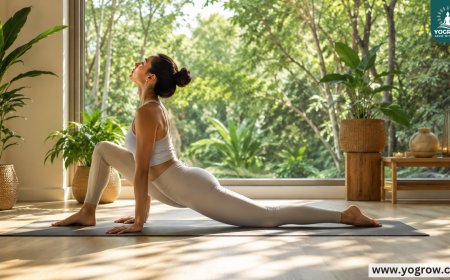
Avoid jumping straight into intense poses. Start with slow neck rolls, shoulder rotations, and light stretches. This prepares your body without triggering stress.
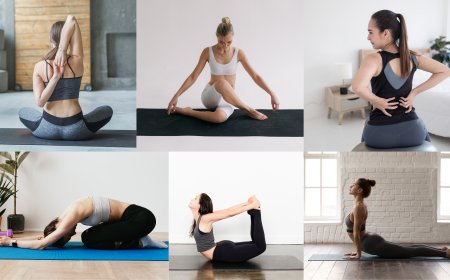
Step 3: Focus on Restorative and Hormone-Supportive Poses
Include poses such as:
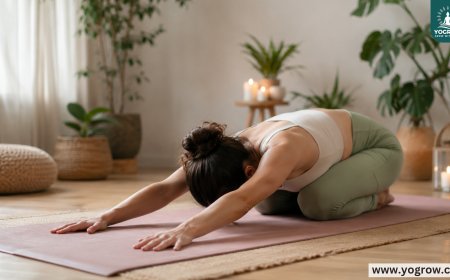
- Child’s Pose (Balasana)
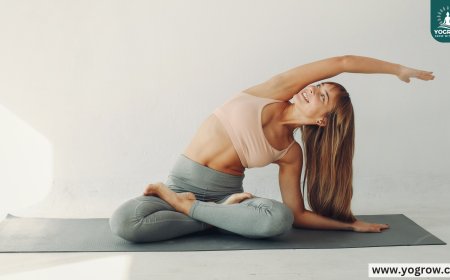
- Butterfly Pose (Baddha Konasana)
- Legs-Up-The-Wall (Viparita Karani)
- Cat-Cow Stretch
These poses improve blood flow to reproductive organs and support hormonal balance. You can explore structured routines from trusted yoga resources like this yoga for PCOS and menstrual health guide: https://yogadarshanam.org/yoga-for-pcod-and-menstrual-problems/ .
Step 4: Incorporate Mindfulness or Meditation
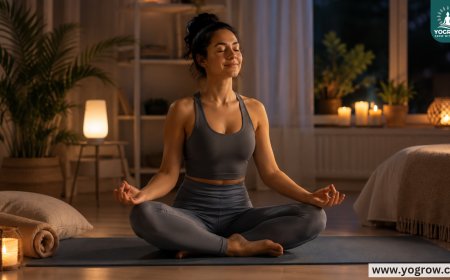
Spend 5–10 minutes in meditation. Focus on your breath or use guided relaxation. This step is essential in the calm-first approach, as it helps regulate your nervous system and emotional state.
Step 5: End with Deep Relaxation (Savasana)
Never skip Savasana. This final relaxation pose allows your body to absorb the benefits of the practice. Stay here for at least 5–10 minutes, letting your body fully unwind.
Step 6: Stay Consistent, Not Intense
The key to results is consistency. Practicing calm-first yoga daily—even for 20 minutes—can create noticeable improvements in your energy, mood, and hormonal health.
The Calm-First Yoga Method for PCOS Wellness is not about pushing your limits—it’s about healing your body through patience, awareness, and balance. By reducing stress, supporting hormones, and improving emotional well-being, this gentle approach offers a sustainable path to managing PCOS naturally.
If you’re ready to take the next step, explore this powerful routine designed specifically for daily practice:
https://yogrow.ca/blog/this-daily-yoga-routine-for-pcos-may-naturally-balance-your-hormones-fast-yogrow
Start small, stay consistent, and trust the process. Your body responds best when you treat it with calm, care, and compassion.
Want more guidance? Subscribe to Yogrow, explore more blogs, or begin your personalized yoga journey today.
What's Your Reaction?
 Like
0
Like
0
 Dislike
0
Dislike
0
 Love
0
Love
0
 Funny
0
Funny
0
 Angry
0
Angry
0
 Sad
0
Sad
0
 Wow
0
Wow
0